Navigating the world of home decor can often feel like a complex puzzle, yet some of the most impactful improvements stem from addressing surprisingly common errors. The accompanying video, featuring Valentina and Jack from The House of Valentina, humorously delves into several such home decor mistakes that might be lurking unnoticed in your own living space. This article will expand upon their insights, offering practical, beginner-friendly advice and solutions to transform your home with confidence and ease.
Every homeowner or renter, regardless of experience, is susceptible to design missteps. These blunders, while seemingly minor, can significantly detract from a room’s overall aesthetic and functionality. By identifying and rectifying these issues, a more cohesive, inviting, and personalized environment can be established. We aim to equip you with the knowledge to refine your interiors effectively.
Tackling Common Home Decor Mistakes
Understanding prevalent decorating errors is the first step toward creating a more harmonious home. The video highlights several key areas where people frequently go wrong. We will elaborate on these points, providing comprehensive strategies for improvement.
The Hidden Dangers of “Removable” Wall Adhesives
Temporary adhesive strips and hooks are often marketed as a damage-free solution for hanging wall decor. However, as demonstrated in the video, their “removable” claim can sometimes be a “crapshoot,” leading to unsightly damage, particularly to drywall. The hosts recount instances of these products pulling off strips of Sheetrock, presenting a more significant repair challenge than a simple nail hole.
While convenient for short-term holiday decorations on non-porous surfaces like glass or mirrors, prolonged use or application on painted walls can result in issues. Over time, the adhesive can bond too strongly to the paint or wall surface, especially in environments with fluctuating humidity or temperature. Consequently, when removed, these strips may peel away layers of paint or even portions of the wall itself. For more permanent or heavier items, traditional picture hanging methods using small nails or anchors are often a safer and more reliable choice, as a nail hole is generally easier and less costly to patch than extensive drywall damage.
Optimizing Your Space with Correct Rug Sizing
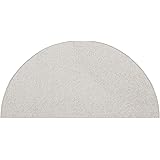
One of the most frequently underestimated elements in interior design is the area rug. An undersized rug can make a room feel disjointed and smaller, creating an effect humorously dubbed the “Floor is Lava” by the hosts. This common blunder was even confessed by one of the hosts, who admitted to placing a rug that was too small in her daughter’s room, only realizing the impact years later.
The correct rug size is crucial for anchoring furniture and defining a space. For living rooms, all primary furniture pieces (sofa, armchairs) should ideally sit with at least their front two legs on the rug. In bedrooms, the rug should extend well beyond the bed, allowing bedside tables to rest entirely on it or providing ample soft landing space on both sides. A specific mention in the video concerned a “six by nine” rug, which, while beautiful in itself, was simply too small for a larger bedroom but could be perfectly suited for a smaller space like a laundry room or a compact study. Research indicates that appropriately sized rugs can make a room feel larger and more cohesive, contributing significantly to visual balance and comfort.
Rethinking White Furniture: Practical Alternatives
The video humorously touches upon a strong aversion to stark white furniture, particularly white bookcases, likening them to “tighty-whities of furniture.” The hosts express a sentiment that white furniture can sometimes appear cheap or overly sterile, especially when considering pieces purchased from flat-pack retailers. This perception arises because stark white can lack the warmth and depth that other colors or natural materials provide, and it often highlights imperfections more readily.
Instead of pristine white, consider alternatives that introduce more texture and warmth into a space. Off-white, cream, or ivory hues can offer a softer aesthetic, while natural wood tones bring an organic element. If painting furniture, exploring deeper, richer colors or even muted pastels can provide a more sophisticated look. Adding doors to open shelving, as suggested in the video for a white bookcase, can instantly elevate its appearance and reduce visual clutter. Furthermore, combining different materials and textures, such as metal, glass, or woven elements, can prevent a room from feeling monotonous and add layers of visual interest.
Elevating Your Home Decor: Beyond the Basics
Beyond addressing these common mistakes, there are additional strategies that can further enhance your living environment. Thoughtful consideration of lighting, furniture arrangement, and personal touches can transform any room into a truly inviting sanctuary.
Strategic Lighting for Enhanced Ambiance
Lighting is a fundamental aspect of interior design, capable of completely altering the mood and functionality of a room. Many homes suffer from relying solely on harsh overhead lighting. However, a layered approach to lighting can create depth and warmth. This involves combining ambient (general room illumination), task (for specific activities like reading), and accent (to highlight art or architectural features) lighting.
For instance, incorporating table lamps, floor lamps, and even wall sconces can introduce varied light sources, eliminating dark corners and adding visual interest. Dimmers are also an excellent investment, allowing you to control the intensity of light and adapt the ambiance for different times of day or occasions. Studies suggest that proper lighting can significantly impact mood, productivity, and overall comfort within a living space.
Maximizing Space with Smart Furniture Layout
Effective furniture arrangement is pivotal for both aesthetics and functionality. Often, furniture is simply pushed against walls, which can make a room feel stagnant and uninviting. Instead, consider creating distinct zones within a larger room to encourage conversation and activity. Pulling seating arrangements slightly away from walls, even by a few inches, can open up a space and make it feel more expansive.
When planning your layout, ensure there is ample clearance for walking paths, typically 30-36 inches. Furniture should be scaled appropriately for the room; an oversized sofa in a small room can overwhelm it, just as small pieces can get lost in a large space. A balanced layout creates a sense of flow and makes a room more user-friendly. This careful consideration of home decor mistakes can truly make a difference.
Incorporating Personal Style with Thoughtful Accents
Your home should be a reflection of your personality and interests. While adhering to design principles is beneficial, infusing your unique style through carefully chosen accents is paramount. This can involve displaying beloved books, showcasing art that resonates with you, or integrating meaningful personal photographs and collected souvenirs. However, balance is key; avoid overwhelming a space with too many items, as this can lead to clutter rather than character.
Curating your decor means selecting pieces that tell a story or evoke a feeling. Consider the texture, color, and form of decorative objects and how they contribute to the overall aesthetic. Integrating pieces that have sentimental value alongside newer acquisitions creates a richer, more authentic environment. Ultimately, the goal is to create a home that feels both beautiful and genuinely yours, free from common home decor mistakes.
Clearing Up Your Decor Conundrums
Can “removable” wall adhesives like temporary strips really damage my walls?
Yes, these adhesives can sometimes pull off paint or even pieces of drywall when removed, especially if left for a long time. Small nails or anchors are often safer for hanging heavier or more permanent items.
How does the size of a rug affect a room’s look?
An undersized rug can make a room feel small and disjointed. A properly sized rug helps anchor furniture, defines the space, and makes the room appear larger and more cohesive.
Why might plain white furniture not always be the best choice for home decor?
Stark white furniture can sometimes look cheap or sterile and can easily show imperfections. Using off-white, cream, natural wood tones, or adding texture can create a warmer, more sophisticated feel.
How can I make my room’s lighting better than just using one overhead light?
Instead of relying only on overhead lights, use a layered approach with multiple sources like table lamps, floor lamps, and even wall sconces. This creates depth and a warmer, more inviting ambiance.