The world of handmade goods is experiencing an incredible resurgence, offering a fertile ground for creativity to blossom into enterprise. The accompanying video, showcasing 75 unique ideas, serves as a fantastic visual springboard for those looking to explore a multitude of crafts to make and sell. This article aims to expand upon that inspiration, providing a comprehensive guide for transforming your crafting passion into a profitable venture.
The potential for turning a beloved hobby into a source of income has never been more accessible. From intricate jewelry pieces to bespoke home decor, the market for handmade items is robust, valued at billions globally and consistently growing year over year. A significant percentage of consumers, often cited as over 70% in recent market surveys, are actively seeking unique, personalized, or ethically produced goods that are unavailable in mainstream retail. This demand creates a compelling opportunity for artisans.
Discovering Your Niche: Profitable Crafts to Make and Sell
One critical aspect of successful crafting for profit is the identification of a viable niche. It is often observed that a clear focus allows for more targeted marketing and a stronger brand identity. While personal passion is undeniably important, market demand cannot be overlooked; like a master chef understanding ingredients and palettes, a crafter must research market trends and consumer desires.
-
High Demand, Low Competition is Often Sought
The most lucrative crafts are frequently those that address an unmet need or offer a unique twist on popular items. It is prudent to research what sells well but also to identify areas where fewer artisans are currently operating. This strategy allows a distinct presence to be established in the marketplace.
-
Cost-Effective Materials are Essential
Profitability is significantly influenced by the cost of raw materials. Crafts that can be produced using readily available, affordable, or upcycled materials are often found to yield higher margins. For example, a beautifully designed item made from repurposed wood scraps can command a premium price while incurring minimal material costs.
-
Scalability Must Be Considered
The ability to produce items efficiently and consistently is another vital factor. If a craft requires an inordinate amount of time for each piece, scaling the business can become challenging. Products that can be made in batches or with streamlined processes are generally more conducive to growth.
-
Personal Skillset and Enjoyment Remain Paramount
While business considerations are important, the sustainability of a craft business is heavily reliant on the maker’s enjoyment of the process. A craft that aligns with one’s skills and brings personal satisfaction is more likely to be pursued with the dedication required for success. It is said that passion often fuels persistence, which is a common attribute of successful entrepreneurs in the handmade space.
Exploring Popular Categories for Crafts to Make and Sell
The breadth of DIY projects to make for extra cash is vast, encompassing numerous categories each with its own unique appeal and market. From personalized gifts to sustainable home goods, there is a craft for nearly every skill set and interest. Several categories are consistently popular and often provide strong foundations for a small business.
-
Personalized & Gifting Items
These crafts often carry a significant emotional weight, much like a handwritten letter in a digital age. Items that can be customized with names, dates, or specific designs are always in high demand for special occasions. The perceived value of a personalized item is often considerably higher than its production cost.
- Engraved jewelry (necklaces, bracelets)
- Custom portraits (pet portraits, family illustrations)
- Personalized mugs, tumblers, or water bottles
- Embroidered or custom-printed textiles (tote bags, t-shirts)
- Hand-stamped metal keychains or tags
-
Home Decor & Lifestyle Products
A home is often regarded as a personal canvas, and unique crafts serve as the expressive brushstrokes that define its character. Consumers are increasingly seeking items that reflect their individual style rather than mass-produced decor. This segment offers a wide array of possibilities for creative expression.
- Artisan candles and wax melts
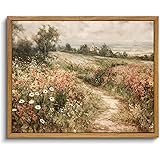
- Unique wall art (macrame, abstract paintings, pressed flower art)
- Decorative pillows and throws
- Small furniture upcycles (painted side tables, rejuvenated shelves)
- Handmade plant holders and terrariums
-
Wearable Art & Accessories
The fashion accessory market is perennially popular, with consumers looking for distinctive pieces that complement their style. Handmade jewelry and accessories stand out from mass-produced items, offering a touch of individuality. This category allows for diverse material use and design philosophies.
- Beaded, resin, or wire-wrapped jewelry
- Unique apparel (tie-dye, hand-painted denim jackets)
- Knit or crocheted accessories (scarves, hats, headbands)
- Handmade hair accessories (barrettes, scrunchies)
- Leather goods (wallets, small bags)
-
Practical & Eco-Friendly Goods
In an age of increasing environmental awareness, practical and sustainable crafts are like quiet heroes, serving a dual purpose of utility and conscience. These items appeal to consumers who are committed to reducing their ecological footprint and appreciate handcrafted alternatives to single-use plastics.
- Reusable shopping bags or produce bags
- Beeswax food wraps
- Natural soaps, bath bombs, and body scrubs
- Zero-waste kits (cutlery wraps, reusable cotton pads)
- Handmade natural cleaning products
-
Digital & Paper Crafts
The digital realm offers boundless replication, akin to a magic printing press for designers. While some paper crafts involve physical creation, many can be sold as digital downloads, offering a scalable passive income stream. The appeal of beautifully designed printables and stationery remains strong.
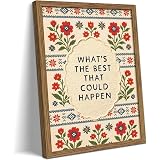
- Printable art (digital posters, inspirational quotes)
- Customizable digital planners and journals
- Handmade greeting cards and invitations
- Scrapbook supplies and digital stickers
- Templates for small businesses (social media templates, branding kits)
-
Kids & Pet-Related Items
These crafts often bring joy to the smallest members of the family, like a beloved storybook, and cater to a segment of consumers who prioritize unique, safe, and often personalized items for their children and pets. The market for pet accessories, in particular, has seen substantial growth.
- Handmade toys (wooden puzzles, fabric dolls)
- Educational crafts for children (sensory boards, learning games)
- Pet accessories (custom collars, bandanas, beds)
- Organic pet treats (ensure compliance with regulations)
- Baby nursery decor (mobiles, wall hangings)
Turning Your Creative Endeavors into Income: Selling Your Crafts to Make and Sell
Once a category and specific cool craft idea have been identified, the next phase involves strategically positioning your creations for sale. This process involves several key considerations, all of which contribute to the perceived value and ultimate success of your handmade business.
-
Market Research & Pricing is Paramount
The way value is perceived and competition is analyzed plays a crucial role in setting prices. Pricing is often regarded as an art, not just arithmetic, much like a tightrope walker balancing profit and appeal. A comprehensive pricing strategy should factor in material costs, labor (your time), overheads (packaging, platform fees), and the item’s perceived value in the market. It is often advisable to price slightly higher than the lowest competitor to convey quality.
-
Branding & Photography Create an Impression
A strong brand is like a memorable scent, distinguishing your offerings from the crowd. Visual appeal and a cohesive brand story are paramount in the online marketplace. High-quality product photography is often considered the silent salesperson; well-lit, clear images from multiple angles are essential for attracting buyers. A consistent brand identity, from your logo to your packaging, helps establish credibility and recognition.
-
Choosing Selling Platforms Wisely
Each selling platform is akin to a different marketplace, each with its own rhythm and clientele. The selection of where to sell your crafts to make and sell will significantly impact your reach and operational workflow.
- Etsy: The go-to platform for handmade and vintage items, known for its established community of crafters and buyers.
- Shopify: Ideal for those wanting a fully customizable online store and greater control over branding and sales channels.
- Local Craft Fairs & Markets: Excellent for direct customer interaction, immediate sales, and gathering feedback.
- Social Media (Instagram, Facebook Marketplace): Powerful tools for visual marketing and direct sales, especially through engaging content.
- Amazon Handmade: Offers access to Amazon’s vast customer base but with stricter seller requirements.
- Wholesale Accounts: Selling in bulk to boutiques or gift shops can provide consistent orders.
-
Marketing & Promotion Amplify Your Reach
Marketing is the megaphone that amplifies your craft’s unique voice. Even the most beautiful crafts will not sell themselves; active promotion is essential. This can involve strategic use of social media, search engine optimization (SEO) for your product listings, email marketing, and leveraging word-of-mouth through exceptional customer experiences. Engaging storytelling about your process or inspiration can also create a deeper connection with potential buyers.
-
Customer Service & Packaging Enhance Experience
The unboxing experience is often compared to opening a special gift. Thoughtful packaging, a handwritten thank-you note, and prompt, polite customer service can turn a one-time buyer into a loyal patron. Handling inquiries efficiently and addressing any issues gracefully builds trust and reputation, which are invaluable assets in the handmade market.
Growing Your Business: Expanding Your Reach with Crafts to Make and Sell
Once a steady rhythm of creating and selling has been established, consideration may be given to scaling operations. This involves strategies for increasing production, widening distribution, and diversifying income streams. Growth in a handmade business is often a gradual process, built upon a foundation of quality and customer satisfaction.
-
Batch Production Enhances Efficiency
Implementing streamlined processes for making multiples of an item can significantly increase output without compromising quality. This often involves segmenting tasks, such as cutting all materials at once, assembling all components next, and then finishing items in a methodical manner. Efficiency gained here directly impacts profit margins.
-
Wholesale Opportunities Broaden Market Access
Reaching wider markets through established retailers is a common growth strategy. Creating a wholesale catalog and pricing structure allows your crafts to make and sell to be featured in boutiques, gift shops, and other small businesses, expanding your brand’s presence without requiring direct sales efforts for each item.
-
Workshops & Classes Monetize Expertise Directly
For those with a knack for teaching, offering workshops or online classes can be a rewarding way to monetize skills beyond selling physical products. This provides an additional income stream and positions the artisan as an expert in their field, further building brand authority and community engagement.
-
Product Line Expansion Offers Complementary Items
Introducing complementary items to an existing product line can increase average order value and appeal to a broader audience. For instance, a candle maker might expand into diffusers or room sprays, while a jewelry maker might introduce related accessories like scarf clips or hairpins.
The journey of creating and selling your own crafts to make and sell can be incredibly rewarding, offering a unique blend of creative fulfillment and financial independence. The array of possibilities, from intricate personal items to large-scale home decor, ensures that there is a niche for almost everyone. With thoughtful planning, dedicated effort, and a keen eye for market trends, a passion for crafting can indeed be transformed into a thriving business.
Crafting Your Way to Extra Cash: Your Q&A
What does it mean to make and sell crafts?
It means transforming your creative hobbies into a business by making unique handmade items and offering them for sale to earn money.
Why is there a good opportunity to sell handmade items right now?
The market for handmade goods is growing, with many consumers actively looking for unique, personalized, or ethically produced items not found in regular stores.
What are some important things to consider when choosing what kind of craft to make and sell?
You should look for crafts with good market demand and low competition, use affordable materials, ensure they can be made efficiently, and most importantly, pick something you enjoy doing.
Where are some popular places I can sell my handmade crafts?
You can sell your crafts on online platforms like Etsy or Shopify, at local craft fairs and markets, through social media, or even on Amazon Handmade.
How can I make my crafts look appealing to buyers, especially online?
High-quality product photography with good lighting and clear images from multiple angles is crucial, as is having a consistent brand identity to attract buyers and build trust.