Do you ever wonder if your home quietly whispers tales of decades past? As revealed in the video above, many seemingly luxurious or popular design choices from years gone by are now inadvertently making homes feel remarkably dated. It is often surprising how quickly interior trends can shift, turning yesterday’s cutting-edge style into today’s visual anachronism. But fear not, for recognizing these common home decor mistakes is the first step toward transforming your living space into a haven of modern updates and timeless design. Here, we delve deeper into those design missteps, offering expanded insights and practical solutions to help your home reflect a contemporary, refreshing aesthetic.
Updating Dated Window Treatments
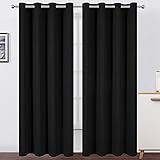
Heavy, elaborate window treatments, frequently featuring valances, ruffles, or thick drapery, are often seen in homes striving for a sense of grandeur. However, this aesthetic can inadvertently create a dated home environment. Such dense fabrics and overly complex designs tend to block natural light, a commodity highly valued in modern interior design. The effect can be likened to a room being perpetually dressed for a formal Victorian ball, rather than enjoying a casual, sunlit afternoon.
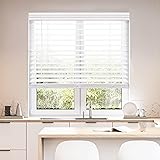
To counteract this, a more minimal approach is often favored. Lighter textures such as linen or sheer fabrics are excellent choices, allowing abundant natural light to filter through. It is advised that curtains be hung as high as possible, almost touching the ceiling, and extended all the way to the floor. This technique creates an illusion of height and openness, stretching the visual lines of the room upwards. For those who appreciate a layered look, roller or Roman shades can be paired with simple drapery panels, offering both privacy and a sleek, contemporary elegance without the dated bulk.
Modern Lighting Solutions
Certain lighting fixtures, such as gigantic, ornate bronze or shiny gold chandeliers, along with frosted tulip-shaped glass sconces or Tiffany-style stained glass lamps, are common home decor mistakes that can visibly age a space. These pieces, while potentially beautiful in their own right, often carry the visual weight of past decades, making a room feel heavy and visually cluttered. They are often perceived as dust magnets, reflecting an outdated approach to both form and function.
The contemporary preference leans towards sleek, sculptural lighting with clean lines. Pendant lights are frequently chosen for their understated elegance and ability to provide focused illumination without overwhelming the space. If replacing an entire fixture is not feasible, simply swapping out existing glass shades for new globes or clean-lined shades can significantly modernize its appearance. When selecting new chandeliers, those with a sculptural quality and an absence of ornate wrought iron elements are generally considered to contribute to a more modern and timeless feel.
Refreshing a Dated Color Scheme: Beyond Beige
A home overly saturated with beige or brown tones can very quickly become a dated home. While beige was once a universally popular neutral, its pervasive use without complementary colors can lead to a monotonous and uninspired palette. This can be compared to a meal consisting solely of one ingredient; while it might be simple, it lacks depth and excitement.
To inject new life into such a space, it is recommended that other neutrals and earth tones be integrated. Mixing in shades of white, greige (a blend of gray and beige), or even muted greens and blues can create a more dynamic and inviting atmosphere. If walls are already beige, accent pieces, rugs, or furniture in varied hues can break up the monochrome. The aim is to create a collected, curated feel rather than a uniform, single-note design, ensuring the space feels layered and intentional.
Avoiding Overly Coordinated or Themed Rooms
Rooms where every piece of furniture, every rug, and every piece of wall art matches perfectly can ironically contribute to a dated home aesthetic. While coordination might seem like the epitome of good design, an excessive adherence to matching can make a space feel staged or, as one might say, like a catalog from 15 years ago. This approach often strips a room of personality, making it feel less like a lived-in home and more like a showroom display.
A more contemporary approach involves mixing design styles, textures, and even metals. Introducing vintage pieces alongside modern furnishings can create a rich, storied look that suggests items have been collected over time. For instance, a sleek, modern sofa might be paired with a rustic wooden coffee table, or different metal finishes can be used for fixtures and hardware. This layered approach adds character and depth, making the space feel uniquely personal and genuinely timeless.
Addressing Tuscan-Inspired Design Styles
The Tuscan-inspired design style, characterized by heavy, warm tones, intricate wrought iron, and textured walls, was once a highly desired aesthetic. However, this specific look, especially when executed with an all-encompassing theme, is now widely considered to be a significant home decor mistake. It evokes a particular time and place too strongly, much like a specific era’s fashion trend that eventually passes. While it was once an expensive upgrade, especially in kitchens, its current effect is often one of a dated home.
For those who appreciate elements of Mediterranean design, a modern Mediterranean style offers a fresh alternative. This updated approach emphasizes light colors, neutral palettes, and organic textures, with subtle accents that nod to the inspiration rather than dominating the entire space. It is often suggested that a mix of modern pieces with a few carefully chosen Mediterranean influences can create a sophisticated and current ambiance, moving away from the overtly themed feel.
Replacing Gimmicky Wall Finishes
Wall treatments like sponge painting, faux Venetian plaster, distressed wood, or pallet walls are notorious for dating a home. These overdone faux finishes, while once trendy, often appear gimmicky and show their age quickly, much like a temporary tattoo that loses its appeal. The speaker even noted her own home featured sponge-painted walls upon purchase, illustrating how pervasive these styles once were.
The recommendation is to opt for more timeless finishes that possess enduring appeal. Limewash and plaster walls, when kept in neutral or organic tones, can offer a sophisticated texture that has historically stood the test of time. A simple matte finish paint or classic tile materials are also excellent choices for a lasting look. The debate around newer trends like limewash potentially becoming the “next sponge painting” in five to ten years highlights the importance of choosing finishes that prioritize longevity and classic beauty over fleeting fads.
Eliminating Over-the-Range Microwaves
An over-the-range microwave, despite its long-standing popularity and functional appeal, is now frequently cited as a home decor mistake that signals a dated kitchen. This configuration, while space-saving, often contributes to a visually heavy upper cabinet line and can be less effective at ventilation compared to dedicated range hoods. It’s often compared to using a multi-tool for every task when specialized tools are available and perform better.
Modern kitchen design often favors removing the microwave from this prominent position and installing a dedicated range hood, which offers superior smoke and grease extraction. Alternative placements for microwaves include built-in cabinet models, microwave drawers (often integrated into lower cabinets or islands), or even concealed in a pantry with a dedicated outlet. These solutions maintain functionality while contributing to a cleaner, more streamlined kitchen aesthetic, allowing the range hood to become a design feature in its own right.
Upgrading From Tile Countertops
Tile countertops, with their ubiquitous grout lines, are a clear indicator of a dated home, instantly evoking the aesthetics of the 1980s and 1990s. The numerous grout lines not only contribute to a visually busy surface but also present practical challenges in terms of cleaning and sanitation. This design choice is often seen as sacrificing seamless beauty for segmented practicality.
Fortunately, updating these countertops can be a relatively straightforward process if the existing cabinets are in good condition. Materials such as quartz and certain types of granite are highly recommended for their durability, low maintenance, and modern appearance. Butcher block offers a warmer, more cost-effective option, though it requires more regular maintenance. These solid surface options provide a sleek, sanitary, and visually expansive feel to the kitchen or bathroom, instantly refreshing the space.
Addressing Dated Granite Countertops
While granite countertops were once the epitome of luxury, certain colors and patterns have not aged gracefully, contributing to a dated home appearance. Speckled brown, some darker blacks, and overly busy pattern granites are frequently identified as home decor mistakes that can instantly make a kitchen feel behind the times. This can be likened to a once-fashionable bold print that now appears overwhelming rather than stylish.
If cabinets are still in good condition, replacing busy granite with a more contemporary option like quartz or granite with subtle, uniform veining is a highly effective update. Materials that mimic the look of marble or soapstone, but with granite’s renowned durability, are popular choices. Another innovative solution mentioned is to paint existing granite countertops with specialized countertop paint, offering a budget-friendly way to achieve a fresh, modern look without a full replacement. The key is to select materials that offer visual calm and complement a lighter, more streamlined aesthetic.
Replacing Large, Dark Wood Furniture Sets
The purchase of large, dark wood furniture sets, particularly those crafted from cherry or mahogany, was once a symbol of wealth and luxury. However, these bulky, heavy pieces are now frequently considered home decor mistakes that contribute to a dated home. In a standard-sized room, such furniture can overwhelm the space, making it feel smaller and less inviting. It’s an instance where grandeur can inadvertently lead to confinement.
Instead of discarding entire sets, a more modern approach involves breaking up these collections. Individual pieces can be repurposed in different rooms; for example, a nightstand might become an end table elsewhere. Mixing and matching furniture from various sources and different wood tones helps create a more curated, collected aesthetic. When selecting new pieces, those with thinner legs and sleeker profiles are preferred, as they offer a sense of lightness and openness, ensuring the room feels spacious and grand without being visually weighed down. Remember, achieving a timeless look in your home is about thoughtful choices and evolving with design principles that prioritize light, space, and personal expression, as explored in the upcoming video on 2025 interior design trends that will provide a truly timeless look to your home.
Beyond Dated: Your Home Decor Q&A
What are some common mistakes that make a home look dated?
Homes can look dated due to heavy window treatments, old-fashioned lighting fixtures, too much beige or brown, or overly coordinated furniture sets.
How can I update my window treatments to make my home look more modern?
Choose light, sheer fabrics like linen, hang curtains high near the ceiling, and ensure they reach the floor to create a sense of height and openness.
What kind of lighting should I choose to avoid a dated look?
Opt for sleek, sculptural lighting with clean lines, such as pendant lights. You can also simply swap out old glass shades on existing fixtures for a fresh look.
How can I update a room that is too beige or brown?
Introduce other neutral colors like white, greige, or muted greens and blues. Use accent pieces, rugs, or furniture in varied hues to break up the monochrome.