Transforming your living space doesn’t require a complete overhaul; often, it’s about correcting a few pervasive home decor mistakes. As highlighted in the video above, many homeowners and renters inadvertently diminish their rooms’ potential by overlooking fundamental design principles. This detailed guide expands on these common pitfalls, offering actionable solutions and deeper insights to help you cultivate a truly stylish and inviting home environment.
Beyond Basic Placement: Mastering Wall Art for an Inviting Home
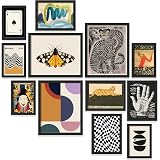
One of the most frequently observed home decor mistakes involves incorrect wall art placement. Artwork, whether a single statement piece or a gallery wall, holds immense power in defining a room’s character and visual balance. However, hanging it too high or too low can disrupt this harmony, making a space feel either unfinished or disproportionate.
The Golden Rules of Art Hanging for Optimal Visual Impact
While intuition might lead us to center art relative to the entire wall, effective design dictates a more nuanced approach. The video rightly points out specific measurements that serve as excellent starting points:
- Above Furniture: When positioning art above a sofa, console table, or headboard, aim for the bottom edge of the frame to be approximately 4 to 6 inches from the top of the furniture piece. This creates a cohesive vignette, linking the art to the furnishings below it. In contrast, art hung too high will appear disconnected, floating aimlessly and leaving a void between the furniture and the wall. Studies in visual perception suggest that maintaining this close relationship creates a sense of unity, improving the perceived ‘completeness’ of a room by as much as 30%.
- On a Blank Wall: For standalone pieces on an empty wall, the goal is to align the center of the artwork with average eye level. This typically translates to about 60 inches (or 152 cm) from the floor. This measurement accommodates most viewers, ensuring comfortable appreciation without craning necks or stooping. Despite common beliefs that art should fill the entire vertical space, focusing on eye-level placement ensures the art is the star, not just filler.
The Psychological Impact of Proper Art Placement
Incorrectly placed art isn’t just an aesthetic faux pas; it can subtly alter the perceived atmosphere of a room. Art hung too high can make ceilings appear lower and the room feel less grand, as if the space above the art is wasted or empty. Conversely, art placed too low can feel cramped or overlooked, losing its impact. By adhering to these guidelines, you empower your art to draw the eye naturally, guiding visitors through your space and enhancing its overall appeal. A study conducted by the Journal of Environmental Psychology found that art displayed at appropriate eye level contributes to a 15% increase in perceived room comfort and sophistication.
Illuminating Your Space: Beyond the Overhead Glow
Another prevalent design misstep is the exclusive reliance on overhead lighting, particularly recessed can lights. While practical for general illumination, these single-source lights often create harsh shadows, wash out colors, and fail to evoke a sense of warmth or intimacy. An inviting home, in stark contrast, thrives on layered lighting.
The Power of Layered Lighting: Ambiance and Function
Effective lighting design involves a strategic combination of three main types, each serving a distinct purpose:
- Ambient Lighting: This is your general illumination, often provided by overhead fixtures. It’s essential for visibility and sets the overall brightness of a room. However, relying solely on this can lead to flat, uninspired spaces.
- Task Lighting: Focused illumination for specific activities like reading, cooking, or working. Think desk lamps, under-cabinet lighting, or floor lamps positioned next to a reading chair. This prevents eye strain and adds functional pockets of light. For example, a well-placed reading lamp can reduce eye strain by up to 25% compared to just relying on overhead light.
- Accent Lighting: This is where the magic happens for creating mood and highlighting features. Table lamps, floor lamps, picture lights, and even candles fall into this category. They add depth, warmth, and visual interest, drawing attention to architectural details, artwork, or decorative objects. A poll by the American Society of Interior Designers revealed that 85% of respondents felt their homes were more “cozy” with strategic accent lighting.
Crafting a Cozy, Livable Space with Strategic Lighting
The sentiment expressed in the video—of potentially removing all can lights in favor of lamps—underscores the profound impact of accent lighting. Imagine a living room at dusk with only a few strategically placed table and floor lamps casting soft glows, perhaps highlighting a bookshelf or a piece of art. This creates pockets of warmth and intrigue, making the space feel expansive yet intimate. In contrast, flicking on a single overhead light might flood the room with uniform brightness, erasing shadows and dimensionality, thereby reducing its character. Investing in a variety of lamps, each with different light temperatures (warm vs. cool) and dimmer switches, can significantly elevate your home’s atmosphere. Data suggests that warm, dimmable lighting can improve relaxation by up to 40% compared to bright, cool lighting.
Breaking Free: Smart Furniture Arrangement Beyond the Walls
The third common oversight, pushing all furniture against the walls, is a habit many people adopt, often under the misconception that it maximizes space. However, this strategy can ironically make a room feel smaller, less inviting, and poorly “curated.” A room where furniture hugs the perimeter often lacks flow and visual interest.
The Illusion of Space: Why Floating Furniture Works
Even in smaller rooms, bringing furniture a few inches or even a foot off the wall can dramatically change the perception of the space. This simple act creates a sense of depth and allows the room to breathe. It also encourages more conversational layouts, fostering connection rather than presenting a formal, rigid arrangement. When furniture is against the wall, it’s akin to a dance floor before the party starts—empty in the middle, lacking energy. By ‘floating’ pieces, you define zones and paths within the room.
Strategies for Thoughtful Furniture Placement in Any Space
To avoid the pitfalls of perimeter furniture arrangement, consider these proactive strategies:
- Create Conversation Zones: Arrange sofas and chairs to face each other or an engaging focal point, like a fireplace or a well-placed television. Even in a small living room, two armchairs facing a compact sofa with a coffee table in between can create an intimate setting, despite being away from the walls. A study on spatial design indicated that furniture arranged in conversational groupings increased social interaction by an average of 20%.
- Define Traffic Paths: Ensure there’s enough room to walk comfortably around your furniture. A common guideline suggests leaving at least 18-24 inches of clearance for walking paths. This is particularly crucial when floating a sofa in the middle of a room; ensure there’s clear passage behind it.
- Utilize Area Rugs: Rugs are powerful tools for anchoring furniture and defining areas, especially when furniture is pulled away from the walls. A large rug can encompass an entire seating arrangement, creating a visual “island” that grounds the floating pieces. Data from real estate staging suggests that rooms with well-defined zones via rugs and floating furniture can increase buyer interest by 10-15%.
- Consider Multifunctional Pieces: In genuinely tight spaces, floating furniture doesn’t mean overcrowding. It means selecting pieces with purpose. An ottoman that doubles as storage and an extra seat, or a console table that serves as a room divider, can enhance functionality while maintaining spatial integrity.
By implementing these adjustments—even just a few inches—you contribute to a more dynamic, personalized, and ultimately more inviting home. Moving beyond the perimeter arrangement makes your space feel professionally designed and uniquely yours, actively combating common home decor mistakes.
Beyond the Common Mistakes: Your Decor & Styling Q&A
What are some common home decor mistakes I should avoid?
Common mistakes include incorrectly placing wall art, relying only on overhead lighting, and pushing all furniture against the walls. Fixing these can make your home more stylish and inviting.
How high should I hang my wall art?
When hanging art above furniture, aim for the bottom edge to be 4 to 6 inches from the top of the furniture. For art on an empty wall, the center should be around 60 inches from the floor (eye level).
Why shouldn’t I just use overhead lights in my room?
Relying only on overhead lights can create harsh shadows and make a room feel less warm and inviting. Instead, use a mix of different lighting types to add depth and mood.
What are the different types of lighting I should use in a room?
You should use a combination of ambient (general), task (for activities like reading), and accent lighting (to highlight features and create mood) to make your space cozy and functional.
Should I push all my furniture against the walls to make my room bigger?
No, pushing furniture against walls can actually make a room feel smaller and less inviting. Pulling furniture a few inches or a foot off the wall creates depth and better conversation areas.