Unlocking Luxurious Aesthetics in Compact Living: A Deep Dive into Small Space Decor
Does the pursuit of a lavish home environment feel out of reach when confronted with the realities of limited square footage and a constrained budget? Many assume that opulent interiors are reserved exclusively for expansive properties, yet this perception often overlooks the sophisticated potential of strategic design. As adeptly demonstrated in the accompanying video, the transformation of modest areas into sanctuaries of style is not merely possible; it is an attainable objective for those who appreciate the nuances of clever spatial management and curated aesthetics.
This comprehensive guide aims to expand upon the insightful principles of budget-friendly, luxurious small home decor. It is often observed that true elegance is less about sheer volume and more about the deliberate placement of thoughtfully selected pieces. The following sections will delineate advanced methodologies for infusing grandeur into every corner, ensuring that even the most diminutive of dwellings can exude an air of bespoke refinement.
1. Mastering the Micro-Kitchen: Elevating Culinary Corners
The kitchen, frequently considered the heart of the home, can present unique challenges within a compact footprint. However, it is precisely these constraints that foster innovative solutions. A common pitfall involves succumbing to visual noise through excessive ornamentation; instead, the focus should be directed towards functional aesthetics.
- The Curated Vignette: As illustrated in the video, a decorative cookbook poised elegantly on an easel or layered beneath a stylish candle introduces an immediate sense of intention. This technique is akin to staging a miniature art exhibition, where each element is meticulously chosen for its visual impact and narrative contribution. Consider a vintage cookbook for a touch of heritage, or a contemporary volume reflecting a current culinary trend.
- Verticality as a Virtue: When horizontal surfaces are at a premium, attention must be shifted skyward. Floating shelves, subtly installed, can accommodate artisan ceramic bowls or small, trailing plants, introducing organic textures without encroaching upon precious countertop real estate. This approach creates an illusion of height, drawing the eye upwards and imparting an airy quality.
- The Illusion of Space: Reflective surfaces, such as polished metal accents or a small, strategically placed mirror, can bounce light and expand the perceived dimensions of a kitchen. A mirrored backsplash, for instance, offers both protection and a dramatic visual flourish, making a compact space feel significantly more open.
2. Crafting Bespoke Retreats: The Art of the Cozy Nook
Every home possesses latent potential for ‘found space’—areas that, with a modicum of imagination, can be transformed into intimate havens. The creation of a dedicated corner for repose or reflection is a hallmark of sophisticated small space decor, effectively segmenting a room without the need for physical barriers.
- The Anchoring Element: A single, statement-making armchair, as suggested in the accompanying video, serves as the primary anchor for a cozy nook. This piece should not merely be functional but also aesthetically compelling, perhaps featuring a rich velvet upholstery or a unique architectural frame. Paired with a slender cocktail table, preferably with a material story like marble or polished gold, the ensemble speaks volumes about design intentionality.
- Strategic Lighting for Ambiance: The warm glow emitted from a small table lamp can dramatically alter the mood of a corner. This is not just about illumination; it is about creating zones of light and shadow that add depth and intrigue. A lamp with a dimmer switch allows for adjustable ambiance, from bright reading light to a soft, contemplative glow.
- Sensory Integration: Beyond the visual, consider the tactile and olfactory dimensions. A plush throw draped over the armchair invites comfort, while a subtle diffuser emitting calming essential oils can elevate the sensory experience. These are the details that transform a mere corner into a ‘sanctuary of the senses.’
3. Reimagining the Closet: From Storage to Sanctuary
The closet, often relegated to mere utilitarian storage, holds untapped potential as a multi-functional zone. In small home decor, every square inch must perform double duty, and the conversion of a standard closet into a bespoke office or vanity area is an exemplary demonstration of this principle.
- Adaptive Reuse of Spatial Dynamics: By clearing out clutter and introducing a compact desk, a former closet niche can be reimagined as a dedicated workspace or a personal grooming station. This exemplifies adaptive reuse, where existing architectural features are re-purposed to meet evolving lifestyle needs. The upper shelf, often underutilized, becomes prime real estate for additional storage or decorative display.
- Innovative Storage Solutions: The video highlights the efficacy of space-saving hangers, a transformative element for any closet. These ingenious devices, capable of holding multiple garments vertically, significantly reduce the volumetric footprint of clothing. Furthermore, consider modular drawer systems or stackable bins that can house non-daily attire, preserving an organized and aesthetically pleasing environment. A tiered perfume holder on the desk adds a touch of glamour while maintaining order.
- The Principle of ‘Hidden Utility’: For items that are not aesthetically pleasing but are essential, consider incorporating concealed storage. Woven baskets or decorative boxes can artfully disguise clutter, maintaining the minimalist, luxurious facade while providing practical access.
4. Elevating Bathroom Functionality with Flair
Bathrooms, irrespective of their dimensions, are often overlooked in the grand scheme of interior design. Yet, with a thoughtful approach to small space decor, these utilitarian areas can be imbued with a spa-like tranquility and sophisticated utility.
- The Petite Cabinet for Discreet Storage: A small, slender cabinet, as presented in the video, is not just a storage solution but a design opportunity. Its compact form factor allows it to seamlessly integrate into tight corners, providing a home for toiletries, fresh linens, or even an extra roll of toilet paper, maintaining a clutter-free environment. The selection of a cabinet with elegant hardware or a unique finish can elevate its presence beyond mere functionality.
- The Vanity Riser: A Pedestal for Panache: A marble riser on the vanity is a simple yet profoundly impactful element. It creates vertical interest, lifting essential items like hand soap or a favored perfume to a position of prominence. This technique introduces a layered depth to the vanity surface, allowing for a more curated display, almost like a miniature still life.
- Harmonizing Textures and Scents: The incorporation of high-quality textiles, such as plush hand towels, and a signature fragrance through diffusers or luxurious candles, can dramatically enhance the sensory experience of a small bathroom. These subtle additions contribute to an atmosphere of refined indulgence, transforming a mundane space into a personal retreat.
5. Making a Grand Statement: Entryways and Staircase Ascents
The entryway or a staircase landing often serves as the first visual impression of a home, a critical juncture where the design narrative begins. In small homes, these transitional zones demand a potent yet spatially conservative design strategy.
- The Pedestal’s Poise: A single, elegant pedestal, as demonstrated in the accompanying video, acts as a sculptural element that introduces verticality and visual interest without demanding significant floor space. Adorned with a seasonal floral arrangement in a statement vase, it conveys an immediate sense of sophistication and attention to detail. This method is akin to deploying a visual exclamation point in a concise sentence.
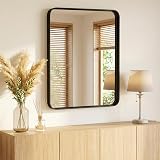
- Mirrors as Expansive Portals: The strategic placement of a large mirror can geometrically expand the perceived dimensions of an entryway or staircase. Beyond its practical utility for last-minute checks, a beautifully framed mirror reflects light and the surrounding environment, creating an illusion of greater depth and openness.
- Curated Console Styling: Should space permit, a narrow console table, perhaps with open shelving beneath, can offer both a surface for display and additional storage. Styling this with a few select items—a small stack of art books, a decorative bowl for keys, and a compact lamp—maintains a sense of order while offering visual appeal. This approach underscores the principle that every item should earn its place within the small home’s design lexicon.
6. The Philosophy of Repurposing and Thoughtful Sourcing: The Cornerstone of Budget Luxury
A recurrent theme in achieving luxurious small home decor on a budget is the art of repurposing and the judicious selection of new items. The video explicitly mentions reusing items and sourcing from retailers like Target, Amazon, Hobby Lobby, and HomeGoods, underscoring a pragmatic approach to high-impact design.
- The Circular Economy of Decor: Repurposing is not merely an economic choice; it is a sustainable design philosophy. An antique wooden crate might become a stylish storage unit, or a collection of mismatched glass bottles could be transformed into a unique floral display. This approach imbues a space with character and a sense of history, items telling stories rather than merely occupying space.
- Strategic Retail Navigation: Retailers like Target and HomeGoods are master purveyors of ‘affordable luxury.’ They excel at offering on-trend pieces that mimic high-end designs, often using more accessible materials. The discerning decorator understands how to identify these pieces—looking for items with substantial weight, interesting textures, or unique finishes that belie their modest price tags. Amazon, conversely, is a treasure trove for niche organizational items and specific decor accents, such as the described space-saving hangers or a bespoke napkin holder that elevates everyday items.
- Materiality and Perceived Value: The judicious selection of materials plays a pivotal role. Items crafted from marble, genuine leather, or substantial metals, even if in smaller applications like a napkin holder or a tray, instantaneously elevate the perceived value of a space. These materials possess an inherent quality that communicates luxury, irrespective of the item’s scale or actual cost. The strategic integration of such elements can dramatically enhance the overall aesthetic of any small home.
Smart Style for Small Spaces: Your Budget Decor Q&A
Can a small home look luxurious even with a limited budget?
Yes, it’s definitely possible! The article explains that you can transform small areas into stylish and luxurious spaces by using clever spatial management and carefully chosen decor.
What are some simple ways to decorate a small kitchen?
Focus on functional beauty by adding a decorative cookbook or using floating shelves for unique items. You can also use reflective surfaces, like a small mirror, to make the space feel larger.
How can I create a cozy nook in my small home?
Start with a single, comfortable armchair as the main piece, add warm lighting from a small lamp, and include soft textures like a plush throw to make it inviting.
Where can I find affordable decor to achieve a luxurious look on a budget?
The article suggests checking retailers like Target, Amazon, Hobby Lobby, and HomeGoods. These stores often offer stylish pieces that look expensive without breaking the bank.