As you may have gathered from the video above, diving into the world of interior design trends for 2026 can be both exciting and, at times, a little bewildering. Industry professionals often shape these trends, aiming to inspire fresh perspectives and encourage new purchases. Yet, a crucial distinction is frequently overlooked: the difference between fleeting trends and enduring design principles. While trends offer a snapshot of current tastes, principles provide a timeless framework for creating beautiful, functional spaces. This exploration will delve into the anticipated styles of 2026, offering insights into how these emerging aesthetics can be thoughtfully integrated into your home.
Unpacking the 2026 Interior Design Landscape
The upcoming year is expected to bring a diverse array of design influences, reflecting a collective shift towards comfort, authenticity, and a deeper connection to nature. Understanding these movements can help homeowners make informed choices that align with both contemporary styles and personal preferences.
The Rise of Comfort: “Fat Furniture” and Recliners
One of the most notable predictions for 2026 is the prominence of what has been dubbed “fat furniture.” This term describes generously proportioned, deeply cushioned pieces designed for ultimate comfort and relaxation. Sofas and chairs are being designed with softness and a welcoming aesthetic in mind. Furthermore, recliners, once considered purely functional and less stylish, are making a significant comeback. Modern recliners often feature sleek designs and integrated technology, allowing them to blend seamlessly into contemporary living spaces. This trend reflects a broader societal emphasis on creating highly livable and comfortable home environments, moving away from overly formal or stiff aesthetics.
Earthy Tones and Organic Textures
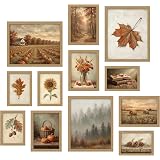
A strong pull towards the natural world is evident in the expected prevalence of earthy, organic textures and warm, cozy color palettes. This approach emphasizes materials like natural wood, stone, wool, and linen. The intent is to create serene and grounding interiors that evoke a sense of calm and well-being. Layering various textures, from soft throws to rough-hewn ceramics, is being seen as a key strategy to add depth and visual interest. This trend is a clear departure from the stark, minimalist all-white interiors that have dominated for years, indicating a desire for more inviting and enveloping spaces.
Architectural Lighting as a Design Element
Lighting is increasingly recognized not merely for its function but as an integral part of a home’s architecture and artistic expression. In 2026, there is an anticipation that lighting fixtures will be chosen for their sculptural qualities and their ability to define spaces. Architectural lighting involves integrating illumination directly into the structure, highlighting features, and creating dramatic effects. This can include hidden LED strips, distinctive pendant lights acting as focal points, or wall sconces that cast intriguing patterns. The careful consideration of lighting is essential for enhancing atmosphere and making a statement within any room.
Embracing Nature with Biophilic Design
The concept of biophilic design, which involves incorporating natural elements into interior spaces, is expected to gain even more traction. This trend extends beyond merely adding a few potted plants. It encompasses using natural light, selecting materials that mimic outdoor textures, and even designing spaces with views of nature. The aim is to foster a deeper connection to the natural world, which can lead to improved mood, reduced stress, and enhanced productivity. Biophilic principles are being applied to create sanctuaries within urban environments, promoting a sense of peace and vitality.
Notable Style Forecasts for the Coming Year
Beyond the overarching themes, several specific aesthetic categories are projected to capture attention in 2026, each offering a distinct flavor for personalizing living spaces.
Grandpa Chic and Hollywood Cottage
Two intriguing styles that are emerging are “Grandpa Chic” and “Hollywood Cottage.” Grandpa Chic embraces a sense of heritage and comfort, characterized by vintage finds, rich textures, plaid patterns, and well-loved furniture. It often involves layering personal collections and creating a cozy, lived-in feel reminiscent of a beloved grandparent’s home. Hollywood Cottage, in contrast, blends understated glamour with a touch of approachable charm. This style might incorporate classic silhouettes, elegant fabrics, and tasteful metallic accents, but always with an inviting and slightly less formal atmosphere than traditional Hollywood Regency.
The Allure of “Electric Saturation”
For those who gravitate towards bold expression, “Electric Saturation” is a trend that involves using vibrant, impactful colors. This could manifest as a striking lime green kitchen cabinet or a hot pink dining room. It represents a move away from muted palettes towards a more audacious use of color, allowing homeowners to inject personality and energy into their spaces. While not for everyone, this trend champions individuality and the psychological impact of vivid hues, offering a chance to create truly distinctive environments.
Color Capping and Darker Woods
The strategic use of color is evolving, with “color drenching” from previous years now being subtly refined into “color capping.” This technique involves painting the ceiling a slightly lighter or darker shade than the walls, adding a nuanced layer of color without overwhelming the space. This approach creates a cohesive and immersive feel, subtly altering perceptions of height and intimacy. Moreover, darker stained woods, such as walnut and burlwood, are making a comeback. These rich, warm tones offer a sense of sophistication and grounding, contrasting with the lighter wood finishes that have been prevalent. Burlwood, with its distinctive patterns, adds a unique and luxurious touch.
Modern Tuscan: A Timely Revival
Perhaps one of the most practical and exciting trends for many homeowners is the return of “Modern Tuscan.” This isn’t a direct replication of the heavy, scroll-laden Tuscan style of the past, but rather a refined and simplified interpretation. It retains the warmth, texture, and natural materials characteristic of Tuscan design – think terra cotta, stone, and rich woods – but strips away the ornate flourishes. Cleaner lines, a more curated approach to accessories, and a fresh color palette update the look. This trend is particularly relevant for those who invested in traditional Tuscan elements years ago, as it offers a pathway to refresh and modernize existing features rather than undergoing a complete overhaul. Embracing Modern Tuscan allows for an evolution of design, enabling homeowners to love their spaces anew without discarding cherished, quality pieces.
Navigating Trends Versus Design Principles
The interior design trends for 2026, like all trends, represent a moment in time. They can be inspiring, offering new ideas and aesthetic directions. However, a deeper understanding of design principles is often suggested as a more sustainable approach to home decor. Principles such as balance, proportion, harmony, contrast, and rhythm are fundamental truths that transcend passing fads. They are the tools designers use to create spaces that feel inherently right, regardless of current styles.
The emotional impact of trends is undeniable. When a style is declared “out,” it can make homeowners feel as though their personal sanctuary is somehow inadequate. This constant pressure to keep up can lead to expensive and ultimately unsatisfying design choices. Therefore, a discerning eye is often advised when considering new trends. It is important to ask whether a trend genuinely resonates with your personal style and functional needs, or if it is merely a fleeting fascination. A balanced approach involves selectively incorporating elements of current trends that complement your existing decor and align with timeless design principles. This allows for an updated look without sacrificing the longevity and personal connection to your home.
Ultimately, the goal is to create a home that truly reflects who you are, a space that brings joy and comfort, and one that you genuinely look forward to returning to each day. This enduring sentiment is prioritized over blindly following what others dictate as the next big thing in interior design trends for 2026.
What’s In Your Mind? Q&A on 2026 Interior Trends
What are the general themes for interior design in 2026?
The trends for 2026 focus on comfort, authenticity, and a deeper connection to nature, creating more livable and inviting spaces.
What is ‘fat furniture’?
‘Fat furniture’ describes generously proportioned, deeply cushioned pieces like sofas and chairs, designed for ultimate comfort and relaxation.
What types of colors and materials are expected to be popular?
Earthy tones and organic textures like natural wood, stone, wool, and linen will be prevalent to create serene and grounding interiors.
What is Modern Tuscan style?
Modern Tuscan is a refined version of traditional Tuscan design, featuring cleaner lines and natural materials, allowing homeowners to update existing elements.
Should I follow every interior design trend?
It’s advised to choose trends that align with your personal style and timeless design principles, creating a home you truly love rather than just following fads.