The quest for an aesthetically pleasing home is a journey many embark on, and as the captivating visuals in the video above demonstrate, achieving a stylish and cohesive look is entirely within reach. However, transforming a vision into reality can sometimes feel overwhelming, especially when balancing design aspirations with practical considerations like budget and space. The good news is that creating a beautiful, personalized living environment doesn’t require a complete overhaul or an unlimited budget; it simply demands thoughtful choices and a clear understanding of what “aesthetic home decor” truly means for you.
Defining Your Aesthetic Home Decor Style
The term “aesthetic” has become a popular descriptor for a curated, visually appealing style. Yet, it’s not a single look but rather an umbrella term encompassing various design philosophies. Understanding these can help you pinpoint your preference and make informed decor decisions.
Popular Aesthetic Home Decor Styles and Their Characteristics
From the soothing simplicity of minimalism to the vibrant textures of bohemian living, diverse styles offer unique ways to express personal taste:
- Minimalist Aesthetic: Characterized by clean lines, a neutral color palette, and a “less is more” approach. The focus is on functionality and essential items, with clutter virtually eliminated. Research suggests that 73% of people find minimalist spaces to be calming and conducive to focus, highlighting its appeal for creating serene environments.
- Bohemian (Boho) Aesthetic: Embraces a free-spirited, eclectic vibe with global influences. Think rich textures, natural materials (rattan, wood), vibrant patterns, and a mix of vintage and handmade items. This style often incorporates numerous plants, making spaces feel alive and connected to nature.
- Modern Aesthetic: Features sleek designs, geometric shapes, and often a monochromatic or limited color scheme. Materials like metal, glass, and concrete are common, emphasizing innovation and simplicity. It’s about functionality without sacrificing visual appeal.
- Cozy Aesthetic: Prioritizes comfort, warmth, and an inviting atmosphere. Soft textiles, plush furniture, warm lighting, and personal touches define this style. Approximately 60% of homeowners prioritize comfort over strict style, indicating the widespread desire for cozy spaces.
- Industrial Aesthetic: Draws inspiration from factories and urban lofts, showcasing raw materials like exposed brick, concrete, and metal. It’s rugged yet refined, often featuring open-plan layouts and utilitarian furniture.
Identifying which of these resonates most with your personal taste is the first step toward crafting an aesthetic home decor scheme that truly reflects you.
The Undeniable Impact of Lighting in Aesthetic Decor
As subtly hinted at in many visual home tours, including the one above featuring a lamp, lighting is far more than just illumination; it’s a foundational element for establishing mood, highlighting features, and defining the overall aesthetic of a room. Strategic lighting can transform a space, making it feel larger, cozier, or more sophisticated.
How Lighting Shapes Your Aesthetic
Every light source in your home contributes to its overarching ambiance. Consider these points:
- Ambient Lighting: This provides overall illumination for a room. Over 80% of interior designers agree that adequate ambient lighting is crucial for both functionality and setting a base mood. Recessed lighting, ceiling fixtures, or track lights serve this purpose.
- Task Lighting: Focused lighting for specific activities, such as reading, cooking, or working. Desk lamps, under-cabinet lights, and floor lamps positioned next to a reading chair are prime examples. They add practical layers to your aesthetic.
- Accent Lighting: Used to draw attention to specific features, like artwork, architectural details, or indoor plants. Spotlights, wall sconces, or picture lights fall into this category, adding depth and visual interest. Studies show that well-placed accent lighting can increase perceived value and sophistication of a space by up to 25%.
The type of fixture itself also plays a role. A sculptural floor lamp can be a statement piece in a modern minimalist setting, while a rattan pendant light perfectly complements a boho-chic vibe. Varying light sources and their intensity creates visual layers, adding depth and warmth that a single overhead light simply cannot achieve.
Curating Your Space: Beyond the Lamp
While lighting sets the stage, other decor elements are crucial for bringing your desired aesthetic home decor vision to life. Think about how these components interact to create a unified look.
Essential Elements for a Cohesive Aesthetic
Every item you introduce contributes to the narrative of your home:
- Wall Art and Mirrors: These are powerful tools for expressing personality and enhancing space. A large piece of abstract art can anchor a modern room, while a gallery wall of framed photos and small prints adds a personal touch to a cozy aesthetic. Mirrors, beyond their functional purpose, can make a small room appear larger and brighter by reflecting light. It’s estimated that mirrors can expand the visual perception of a room by up to 35%.
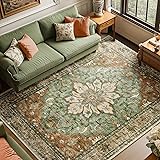
- Textiles and Soft Furnishings: Rugs, throw pillows, blankets, and curtains add texture, color, and comfort. They are particularly vital for a cozy aesthetic, instantly softening hard lines and introducing warmth. A plush rug can define a seating area, while a patterned throw can add a pop of color to a neutral sofa.
- Plants and Greenery: Indoor plants not only purify the air but also bring life, color, and a sense of calm to any space. They are particularly important in boho and minimalist aesthetics, bridging the gap between indoor living and the natural world. Data indicates that having indoor plants can boost mood and productivity by 15-20%.
- Decorative Objects and Personal Touches: Vases, candles, books, sculptures, and collected treasures are what truly personalize your home. These small items reflect your interests, travels, and memories, making your aesthetic uniquely yours.
Finding Your Aesthetic on a Budget: The “Amazon Finds” Approach
The excitement of discovering stylish yet affordable items, often dubbed “Amazon finds,” is a major draw for many looking to enhance their aesthetic home decor. The vast selection and competitive pricing online make it an excellent resource, but smart shopping is key.
Tips for Smart Online Decor Shopping
Navigating the world of online marketplaces like Amazon requires a discerning eye:
- Read Reviews and Check Photos: Always prioritize products with numerous positive reviews and customer-uploaded photos. These provide real-world insights into quality, color, and size that product descriptions alone might miss. Over 70% of online shoppers rely on product reviews before making a purchase.
- Measure Twice, Buy Once: Ensure items will fit your space and scale appropriately. A lamp might look perfect online, but its dimensions need to complement your existing furniture.
- Filter by Style and Material: Utilize filtering options to narrow down your search for specific aesthetic home decor elements, such as “mid-century modern table lamp” or “bohemian macrame wall hanging.”
- Look for Bundles or Sets: Sometimes, buying items in sets (e.g., a pair of identical lamps or a set of decorative vases) can offer better value and ensure a cohesive look.
Even on a budget, it’s possible to curate an impressive collection of aesthetic home decor pieces that truly elevate your living space.
Small Spaces, Big Style: Maximizing Impact
Living in a smaller apartment or home doesn’t mean sacrificing style or aesthetic appeal. In fact, compact spaces offer unique opportunities for creative design and smart solutions.
Designing for a Compact Aesthetic
- Multi-functional Furniture: Invest in pieces that serve more than one purpose. An ottoman with storage, a sofa bed, or nesting tables are excellent examples. Statistics show that nearly 45% of urban dwellers prioritize multi-functional furniture due to space constraints.
- Vertical Space Utilization: Look upwards! Floating shelves, tall bookcases, and wall-mounted storage draw the eye up, making rooms feel larger and providing valuable storage without encroaching on floor space.
- Strategic Mirror Placement: As mentioned, mirrors can visually expand a room. Placing a large mirror opposite a window can reflect light and the view, creating an illusion of depth and openness.
- Light Color Palettes: Lighter paint colors and decor items can make a small room feel more expansive and airy, reflecting light rather than absorbing it. While darker colors can be cozy, they tend to make small spaces feel more enclosed.
- Clear Pathways: Ensure furniture placement allows for easy movement throughout the room. Cluttered pathways can make a space feel cramped and disorganized, hindering any desired aesthetic home decor.
By thoughtfully applying these principles, anyone can achieve a stunning aesthetic home decor, transforming their living environment into a space that is both beautiful and deeply personal.
Illuminating Your Aesthetic Home Decor Queries
What does ‘aesthetic home decor’ mean?
Aesthetic home decor refers to creating a visually appealing and curated style in your home. It’s an umbrella term that encompasses many different design philosophies.
Can you give examples of popular aesthetic home decor styles?
Yes, some popular styles include Minimalist, which focuses on clean lines and neutral colors; Bohemian, with its eclectic and natural vibe; and Cozy, which prioritizes comfort and warmth.
Why is lighting important for home decor?
Lighting is very important because it sets the mood, highlights features, and helps define the overall look and feel of a room. Strategic lighting can truly transform a space.
How can I find decor items for my home on a budget?
When shopping online, look for products with many positive reviews and customer photos, and always measure your space twice. Filtering by style and looking for sets can also help you find affordable items.
What are some tips for decorating a small space aesthetically?
For small spaces, use multi-functional furniture, utilize vertical space with shelves, and strategically place mirrors to make the room appear larger and brighter.