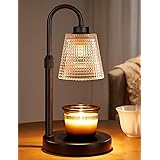
Did you know that up to 70% of a room’s atmosphere is influenced by its lighting? Poor lighting choices can unfortunately transform an otherwise well-designed space into an uninviting one. As explored in the accompanying video, the impact of lighting on an interior’s ambiance is undeniably profound. It is often an element that becomes an afterthought, yet its strategic application has the power to define comfort, mood, and functionality within any home. Understanding fundamental principles of how to light a space properly is crucial for elevating a home’s overall feel.
For those aiming to transform their living environments, a few common pitfalls are often encountered. These mistakes, however, are easily corrected once understood, paving the way for a brighter, more harmonious home. Mastering the nuances of how to light a space effectively can significantly improve daily living, enhancing both aesthetics and practicality.
Avoiding Common Home Lighting Mistakes
When approaching interior design, several typical errors are often observed, particularly concerning illumination. Being aware of these missteps can prevent a multitude of issues, ensuring that a space is not only visually appealing but also comfortable and functional. Addressing these fundamental aspects of how to light a space is the first step toward achieving a well-lit home.
The Impact of Incorrect Color Temperatures in Home Lighting
One of the most frequently made lighting mistakes involves the selection of an incorrect color temperature. The perception of light, from cozy warmth to crisp coolness, is measured on the Kelvin (K) scale, which typically ranges from 1,000K to 10,000K. This spectrum dictates the mood and utility of a particular lighting scheme, meaning careful consideration is deserved.
Different color temperatures serve varied purposes, creating distinct atmospheres. A light source’s Kelvin rating indicates its perceived “color,” with lower numbers representing warmer tones and higher numbers indicating cooler, bluer light. Understanding these categories is essential for choosing the right bulbs for each area of your home, ensuring that the desired ambiance is always achieved.
Exploring Common Color Temperature Categories:
-
Warm White (2700K-3000K): These bulbs emit a soft, golden-yellow glow, reminiscent of traditional incandescent bulbs. They are widely considered ideal for creating cozy, inviting, and calm environments. Areas such as bedrooms, living rooms, and dining rooms are often enhanced by this soothing light, fostering relaxation.
-
Soft White (3000K-4000K): Slightly cooler than warm white, soft white bulbs produce a yellowish-white light that feels both friendly and bright. These are frequently chosen for kitchens and bathrooms, where a balance between warmth and clarity is desired for daily tasks and a welcoming feel. The light helps with visibility without being overly stark.
-
Bright White (4000K-5000K): With a color between pure white and blue, bright white lighting is more vibrant and stimulating. It is often utilized in home offices or garages where focus and clear visibility are paramount. This spectrum is less about creating a cozy feel and more about encouraging alertness and task completion.
-
Daylight (5000K-6500K+): Despite its name, daylight-toned bulbs often create a surprisingly sterile and cold atmosphere, emitting a distinct blue-toned light. While they maximize color contrast and improve concentration, making them suitable for commercial spaces, hospitals, or large offices, they are generally best avoided in residential settings where warmth is typically sought. The intense blue can feel harsh and unwelcoming in a home environment.
Fortunately, modern technology offers flexible solutions. Smart LED bulbs, such as the Philips Hue system or more budget-friendly alternatives like IKEA Tradfri and Lifx, allow for adjustable brightness and color temperature. This means that if a space feels off, the light can easily be adjusted via an app or smart device, offering unprecedented control over the home’s ambiance.
The Disruption of Mixed Color Temperatures Within a Single Space
A second, closely related mistake is the mixing of different color temperatures within one unified area. While it is appropriate for a bedroom to feature warm white and a bathroom to use soft white, blending these distinct temperatures in a single room creates a jarring and disjointed effect. This inconsistency becomes particularly noticeable when different light sources are in close proximity.
The human eye is remarkably sensitive to subtle differences in light. When various color temperatures are combined, furniture, decor, and even skin tones can appear “off” or unnatural, diminishing the overall aesthetic appeal of the space. Such an environment can feel unsettling rather than harmonious.
For open-plan spaces, where areas like the kitchen and living room share a common footprint, a thoughtful compromise is often required. While kitchens traditionally benefit from cooler light for tasks, and living areas from warmer tones for relaxation, a consistent temperature in between warm white and soft white can unify the space. This approach ensures visual cohesion without sacrificing functionality in either zone, offering a balanced approach to how to light a space.
Over-Reliance on Single Lighting Sources: The Layering Solution
A third common oversight, often admitted by designers themselves, is the failure to incorporate diverse types of lighting throughout a room. Many individuals make the mistake of solely relying on overhead lighting, which, while essential, can cast unflattering shadows and create a flat, one-dimensional look. The strategic use of multiple light sources is known as layering lighting.
Layering is about creating a dynamic and functional environment where light is evenly dispersed, enhancing colors, textures, and other design elements. At least two, if not all four, types of lighting should be used at various places and heights within a room to achieve this effect. This approach ensures that a space feels inviting and well-rounded, rather than stark or underlit.
Understanding the Four Key Layers of Home Lighting:
-
Overhead Lighting: Often provided by ceiling lights, this is the foundational layer in most rooms. While crucial for general illumination, it should rarely be the sole light source. Used alone, it can create harsh shadows, making people and objects appear less flattering. It serves best as a general light source when combined with others.
-
Ambient Lighting: This layer offers a soft, natural glow, akin to the gentle diffusion of sunlight through clouds. Examples include lamps with fabric or opaque glass shades, which soften and spread light evenly. Spreading a few ambient sources across a room helps to create an overall inviting and relaxed atmosphere, providing a base glow.
-
Task Lighting: As its name suggests, task lighting is functional and directed, used specifically for activities like reading, cooking, or working. Unlike ambient light, which is broader and dimmer, task lighting is brighter and has a more focused beam. Table lamps, under-cabinet lights, and vanity lights are common examples, ensuring sufficient illumination where it’s most needed.
-
Accent Lighting: This is the most aesthetic form of lighting, designed to draw attention to specific features such as artwork, architectural details, or unique furnishings. Often brighter than ambient light, accent lighting is used sparingly to add drama and increase contrast, creating focal points within a space. Recessed spot ceiling lights or LED strips are frequently employed for this purpose.
Homeowners have extensive options for layering, from pendant lights and chandeliers to wall sconces and track lighting. Renters, however, also have many rental-friendly solutions such as table lamps, floor lamps, and light strips that require no drilling. Even simple drilling, if permitted, can allow for sconces with cleverly routed cables. Combining these elements at varying heights and locations is transformative for any room, proving essential when considering how to light a space.
Advanced Tips for Enhancing Your Home Lighting Design
Beyond correcting common mistakes, several useful tips can further refine your interior lighting strategy, ensuring both beauty and functionality. These practices help to create a cohesive and comfortable environment, taking your home’s ambiance to the next level.
Harmony Through Matching Lighting Fixtures
While the feel of a room is paramount, its visual appeal is equally important. When selecting lighting fixtures, their integration with other elements in the room should be considered for continuity. This creates a cohesive space that feels thoughtfully designed rather than disjointed. For instance, matching the material, color, or texture of light fixtures to existing hardware, such as taps or cupboard handles, creates a subtle yet powerful sense of unity.
In a kitchen with matte black hardware, a matte black pendant light or track lighting can complete the aesthetic. Similarly, a rattan lampshade can echo other natural textures found in furniture or decor. This principle is particularly effective in bathrooms, where metal finishes on sconces often complement faucets and other fixtures, forging a refined and consistent look. This level of detail in how to light a space truly makes a difference.
The Power of Diffused Light Sources
Another valuable technique is the diffusion of light sources, which significantly reduces harsh shadows and creates a softer, more flattering illumination. This effect is comparable to a cloudy day, where light is evenly scattered, allowing for clearer visibility and gentler tones than direct sunlight. In photography and filmmaking, diffused light is prized for its ability to make subjects appear more natural and aesthetically pleasing.
Incorporating lampshades, fabric shades, or opal glass shades into your light fixtures helps to break up and soften direct light. This not only makes the space more flattering for individuals but also enhances the appearance of objects and surfaces. While exposed bulbs can offer visual interest, a balanced approach often includes diffused sources to ensure uniform and comfortable ambient lighting.
Implementing Dimmers for Adaptable Ambiance
The ability to adjust the brightness of lights is critical, allowing the atmosphere of a space to be altered according to the time of day or the specific task at hand. A super bright light before bed is counterproductive to relaxation, just as a dim light is unsuitable for reading or precision work. Dimmers provide invaluable flexibility, transforming the mood and utility of any room with ease.
For example, dimming the lights in a dining room during entertaining can instantly create a more intimate and sophisticated atmosphere. Traditionally, dimming was controlled via wall switches, but modern smart bulbs now offer digital control through apps or remotes, making this feature accessible even for renters. Integrating traditional dimmers or smart switches during renovations also presents a cost-effective and highly functional solution for versatile home lighting.
Extending Lighting to Outdoor Spaces
The final, yet frequently overlooked, tip involves extending lighting beyond the interior to outdoor areas like balconies and backyards. At night, a dark window can make an interior room feel confined, almost as if it’s enclosed by a black wall. By strategically lighting outdoor spaces, a seamless visual extension of the indoor area is created.
Outdoor sconces, spotlights on potted plants, or even fairy lights strung through trees can illuminate the world outside your window. This encourages the eye to look beyond the immediate interior, fostering the illusion of a larger, more expansive space. This practice not only enhances curb appeal but also makes interior rooms feel more open and connected to their surroundings, effectively integrating outdoor elements into your overall how to light a space strategy.
Illuminating Your Lighting Queries
Why is good lighting important for a home?
Good lighting significantly influences a room’s atmosphere, defining comfort, mood, and functionality. It can transform a space, making it feel inviting and well-designed.
What is ‘color temperature’ when talking about lights?
Color temperature measures how warm or cool a light appears, using the Kelvin (K) scale. Lower numbers, like 2700K, are warm and yellow, while higher numbers, like 5000K, are cooler and bluer.
Should I use different light colors in the same room?
It’s generally best to avoid mixing different color temperatures within a single unified area. This can create a jarring and disjointed effect, making the space feel unsettling and unnatural.
What is ‘layered lighting’?
Layered lighting is the strategy of using diverse types of light sources throughout a room. This creates a dynamic, functional, and evenly dispersed illumination that enhances the space’s overall feel.