In the world of interior design, a well-curated home often speaks volumes about its inhabitants. Yet, it can sometimes be a challenge to achieve a sophisticated look, especially when common interior design pitfalls are inadvertently encountered. The accompanying video by Nick dives into several key areas where choices in decor and furnishings might unintentionally be making your home look cheap, offering candid advice on how to elevate your space. This article expands on those insights, providing a deeper look into these often-overlooked mistakes and presenting practical solutions for creating a more refined and personal environment.
It is often believed that a truly beautiful home does not need to be expensive; rather, it requires thoughtful consideration and a strategic approach to design. By understanding the nuances that contribute to an elevated aesthetic, it becomes possible to transform a living space into something truly special, moving beyond the temporary trends and into timeless appeal. Let us explore some of these common missteps and discover how they can be rectified with intention and creativity.
The Peril of Flat-Pack Furniture Overload
Flat-pack furniture, particularly from popular retailers like IKEA, holds a significant place in many homes due to its affordability and accessibility. As discussed in the video, its appeal is undeniable, and it can be a fantastic starting point for furnishing a home. However, when an entire room, or even an entire home, is furnished exclusively with flat-pack items, a certain uniformity can emerge which might detract from the desired aesthetic. The host, with a playful nod to his extensive IKEA content, underscores that while he is certainly not “above it,” an environment composed solely of manufactured wood and veneer can often lack soul.
When every piece in a room looks like it came from the same showroom floor, the overall impression can be one of temporary, rather than lasting, style. It is not that these pieces are inherently bad, but their homogeneous appearance, often characterized by particleboard construction and uniform veneers, can be easily identified. To counteract this, a more intentional approach is often recommended. This involves viewing flat-pack furniture as foundational elements that are then enhanced with more unique and personal touches. For instance, a basic storage unit might be given new life through decorative hardware or a custom paint job. Similarly, a simple shelving unit can be elevated when it is filled with cherished books, travel souvenirs, or handcrafted items rather than a collection of mass-produced decorative objects.
The solution here is rooted in balance and diversification. Flat-pack items can be seamlessly integrated into a space when they are mixed with pieces that offer contrast in material, texture, and origin. This could mean incorporating vintage finds that boast solid wood craftsmanship and a rich history, or perhaps investing in bespoke items from local artisans. The goal is to avoid the “college dorm vibe” and instead curate a space that feels collected and authentic over time. It is about allowing your personality to shine through, creating a narrative with your decor that is uniquely yours, rather than a replication of a catalog.
Too Many Fake Plants: An Unrealistic Oasis
The desire to bring the vitality of nature indoors is a common one, and for many, fake plants appear to offer an effortless solution. They require no watering, no specific light conditions, and promise year-round greenery. However, as gently pointed out in the video, an overabundance of artificial foliage can often have the opposite effect, making a space feel less vibrant and more artificial. While a single, high-quality fake plant strategically placed in a challenging area (such as a low-light bathroom or a forgotten corner) can certainly be a practical choice, a room filled with them often signals a lack of authenticity.
The issue often arises with the quality of these artificial botanical elements. Less expensive fake plants can reveal their artificiality through visible plastic seams, unnatural leaf textures, or colors that are just slightly off. Even the most realistic options can sometimes be detected when they are present in every nook and cranny. The intent is usually to add life, but the execution can sometimes fall short, creating a subtly cheap aesthetic that is picked up by discerning eyes, even if guests do not explicitly comment on it.
For those who struggle with keeping real plants alive, or whose living conditions are simply not conducive to live greenery, a mindful approach to artificial plants is advisable. Opting for one or two exceptionally realistic pieces, often sourced in person to allow for thorough inspection of details like leaf texture and stem appearance, can be far more effective than scattering numerous mediocre ones. It is also worth considering other natural elements that require less maintenance, such as dried botanicals, branches, or even high-quality botanical prints, to inject organic forms into the decor without resorting to excessive faux greenery. Real plants, when they are viable, are always the ideal choice for their air-purifying qualities and undeniable aesthetic appeal, but if they are not feasible, strategic and selective use of artificial options is key.
The Problem with Mass-Produced Canvas Prints
Art plays a crucial role in personalizing a home and reflecting individual taste. Yet, a common pitfall is the reliance on mass-produced canvas prints, particularly those ubiquitous images seen in every hotel lobby, Airbnb, or general home goods store. The video specifically calls out popular culprits like the Highland Cow, Amsterdam cityscapes, or the iconic Audrey Hepburn “Breakfast at Tiffany’s” image. These pieces are often chosen for their size and low cost, providing an easy way to fill a large blank wall. However, their very omnipresence renders them impersonal and, ironically, cheap-looking.
When art is devoid of personal connection or uniqueness, it simply functions as wall filler rather than a statement of style or personality. The visual impact of seeing the same print repeatedly in various settings dilutes any sense of individuality it might have once held. A white wall, it is argued, can sometimes be preferable to a piece of art that communicates nothing beyond its mass-market origin. The goal of art in a home is to inspire, provoke thought, or simply bring joy, and this is difficult to achieve with images that are universally recognized as generic.
Fortunately, there are numerous avenues for acquiring unique and affordable art that genuinely elevates a space. Supporting local artists, even by purchasing smaller prints or original sketches, can add immense character. Exploring online marketplaces for independent artists, visiting flea markets for vintage pieces, or even creating your own DIY art projects can yield far more meaningful results. Even choosing prints from online companies that offer a wider range of styles can be a step up, provided they align with a personal aesthetic rather than simply being a popular trending image. The key is to seek out pieces that resonate with you, tell a story, or bring a unique visual element to your home, making your space distinctly yours.
Rethinking the “Pop of Color” Throw Pillow
The concept of adding a “pop of color” to an otherwise neutral room is a design trope that, while well-intentioned, often falls flat, as eloquently described in the video. A common scenario involves investing in a neutral sofa – perhaps beige, gray, or cream – which is a sound decision for longevity and versatility. The subsequent attempt to inject personality often leads to the selection of a single, brightly colored throw pillow (e.g., teal, orange, or gold) placed in isolation on the neutral base. While the aim is to add vibrancy, the result can often be an unbalanced and somewhat disconnected look, ultimately cheapening the overall aesthetic.
The problem with an isolated “pop” is that it often lacks integration with the rest of the room’s color story. Instead of appearing as a deliberate design choice, it can look like an afterthought, a single bright note without harmony. True color integration involves more than just one contrasting item. It is about building a cohesive color palette that incorporates various tints, tones, and shades of selected colors throughout the space, creating depth and nuance.
Instead of a lone “pop,” consider developing a more sophisticated color scheme that is woven through multiple elements in the room. If teal is desired, for example, it could be introduced not just through a pillow, but also through subtle accents in artwork, a decorative vase, or a pattern in an area rug. Furthermore, exploring different shades of teal – from a muted, almost white teal to a deep, rich hue – can add visual interest without being overwhelming. This approach allows colors to flow naturally and feel integrated, creating a sense of intentionality and sophistication. Additionally, considering the texture and material of throw pillows is vital; high-quality fabrics in varied textures can add richness even in a monochromatic palette, further enhancing the overall design without relying on a jarring color contrast.
The Undersized Rug Dilemma
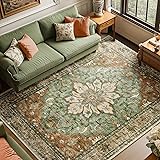
Area rugs serve as foundational elements in interior design, helping to define zones, add warmth, and introduce texture and color. However, a frequently observed mistake, highlighted as a recurring theme in the host’s content, involves the use of rugs that are simply too small for the space they occupy. A tiny rug placed squarely in the center of a living area, surrounded by furniture that does not touch it, can instantly make a room feel disjointed and, regrettably, cheap.
The primary issue with undersized rugs is their inability to properly scale with the furniture and the room itself. A rug is meant to anchor a seating arrangement, creating a visual “platter” upon which the furniture rests. When a rug is too small, it fails to achieve this, leaving the furniture floating and the space feeling unbalanced. The common guidelines for rug placement aim to establish this connection: either all furniture legs should sit comfortably on the rug, or at a minimum, the front two legs of all main seating pieces (sofas, armchairs) should rest on it. This creates a cohesive grouping, visually linking the furniture together and defining the functional area.
While larger rugs undoubtedly come with a higher price tag, viewing them as a long-term investment in your home’s aesthetic is often beneficial. A well-proportioned rug contributes significantly to the perceived quality and comfort of a room. If budget is a concern, options like layering smaller, complementary rugs (a more advanced technique) or saving up for a larger, simple, and durable rug (perhaps wool for longevity) are recommended. The goal is to ensure the rug extends far enough under the furniture to create a sense of spaciousness and intentional design, thereby avoiding the impression that a smaller rug was simply chosen to cut costs or make do with an existing piece.
Hollow Core Doors: A Hidden Detractor
Interior doors are often overlooked elements in home design, yet they play a surprisingly significant role in the overall feel and quality of a space. The video points out that hollow core doors, though inexpensive and lightweight, can contribute to a home feeling less substantial and, consequently, cheaper. While replacing all interior doors is a significant undertaking, understanding their impact is crucial for future renovations or new builds.
A hollow core door, as its name suggests, is essentially a shell with little to no solid material inside. This construction makes it light and affordable, which are its primary advantages. However, these doors often transmit sound easily, offering minimal privacy, and when tapped, they produce a distinct “ping, ping, ping” sound that immediately conveys their lack of density. In contrast, solid core doors are constructed from a dense, solid material, making them heavier, better at soundproofing, and imparting a sense of quality and durability. The weight and solidity of these doors contribute to the tactile experience of a home, making it feel more robust and luxurious – a detail often appreciated unconsciously.
The benefits of solid core doors extend beyond mere aesthetics; they significantly enhance sound privacy between rooms, a valuable commodity in any home. Even if a full replacement is not feasible, considering solid core doors for high-traffic or privacy-sensitive areas like bedrooms and bathrooms can make a noticeable difference. It is an investment that speaks to the underlying quality of a home, influencing not just its visual appeal but also its sensory experience. Many people with substantial renovation budgets overlook this detail, focusing instead on more visible elements, but the impact of a solid, substantial door on the perceived quality and comfort of a living space should not be underestimated.
The Visual Clutter of Floating TV Cords
In an era of sleek, wall-mounted televisions, exposed cables can be a significant visual distraction, instantly detracting from an otherwise clean and modern aesthetic. The video rightly highlights “floating TV cords” as a common oversight that can make a home look half-finished or cheap. While a TV resting on a media console might allow cords to be discreetly tucked away, wall-mounting creates an open gap beneath the screen where cables can dangle unsightly.
The ideal solution for wall-mounted TVs is to route the cords through the wall. This involves creating small openings in the drywall behind the TV and near the floor level (assuming an interior wall, as exterior walls present different challenges and risks), allowing all cables to run invisibly within the wall cavity. This method provides the cleanest look, creating a seamless integration of technology into the living space. Specialized kits are available to make this DIY project more manageable, though consulting a professional is always an option for those less comfortable with such tasks.
For renters or those unable or unwilling to cut into walls, more accessible solutions exist. Cable management strips or covers, readily available online, offer a practical alternative. These paintable plastic channels can be affixed to the wall, enclosing the cables and allowing them to blend more effectively with the wall color. While not as invisible as in-wall routing, painting these strips to match the wall color (which often requires a slightly different shade than pure white, as wall whites are rarely stark) significantly reduces their visual impact. The key is to manage and conceal all cords – not just TV cables, but also those from lamps, chargers, and other electronics – to achieve a tidier and more polished appearance throughout the home.
The Downfall of Peeling Veneer and Overly Worn Faux Leather
Durability and how materials age over time are critical considerations for furniture, often distinguishing pieces that look refined from those that appear cheap. The video brings attention to two specific culprits: peeling veneer furniture and overly worn faux leather (often rebranded as “vegan leather”). These materials, while initially cost-effective, often do not stand the test of time gracefully, leading to an appearance of neglect and poor quality.
Peeling Veneer Furniture
Veneer furniture consists of thin layers of real wood or, more commonly, manufactured materials like vinyl, glued over a core of engineered wood such as MDF (medium-density fiberboard). While veneers can mimic the look of solid wood at a lower price point, their lifespan and how they wear are vastly different. Dings and scratches on solid wood often add character, developing a beautiful patina over time. In contrast, damage to veneer can lead to unsightly peeling, chipping, or bubbling, revealing the less attractive core material underneath. Once a veneer begins to peel significantly, it is exceptionally difficult, if not impossible, to restore it to a presentable condition.
The lesson here revolves around investment in materials. For pieces intended to last and to look good for years, solid wood construction is generally a superior choice. Even when purchasing secondhand, solid wood furniture often represents a better value, as its inherent durability means it can be refinished and repaired, extending its life for decades. Opting for quality construction, even if it means a higher initial outlay, is a sustainable and aesthetically rewarding choice in the long run.
Overly Worn Faux Leather
Faux leather, historically known as pleather or vinyl, aims to replicate the look and feel of genuine leather without using animal products. While advancements in material science have led to some high-quality synthetic options, many faux leather pieces, particularly older or cheaper versions, tend to wear poorly. Over time, the surface can crack, peel, and become unsightly, creating a distinctly worn-out and cheap appearance. The host humorously recounts the “pleathering” couches of his brother’s 1994 den, emphasizing this dated and undesirable look.
Real leather, on the other hand, particularly quality grades, is renowned for its durability and its ability to develop a rich, appealing patina with age, much like a favorite leather jacket. It molds, softens, and takes on character, looking lived-in rather than worn out. For those who prefer not to use animal products, there are numerous other high-quality fabric options available for upholstery, such as linen, cotton, or performance fabrics, which can offer durability and a sophisticated look without the peeling issues associated with low-grade faux leather.
Ultimately, when selecting furniture, the material’s longevity and how it ages are crucial. Investing in pieces made from durable, quality materials—whether solid wood, genuine leather, or well-constructed fabrics—ensures that your home maintains an elevated aesthetic over time, avoiding the pitfalls of items that quickly become a source of design regret, making your home look cheap rather than chic.
Your Interior Design Quandaries: From Cheap to Chic
Is it okay to use flat-pack furniture like IKEA items in my home?
Yes, flat-pack furniture can be a good starting point. However, avoid furnishing an entire room or home exclusively with these items; mix them with unique pieces to add personality and make your space feel more refined.
Should I use fake plants to decorate my home?
While one or two high-quality fake plants can be placed strategically, an abundance of artificial foliage can make a space feel less vibrant. Consider real plants or dried botanicals as alternatives for a more authentic look.
What kind of art should I choose for my walls?
Avoid common, mass-produced canvas prints often seen everywhere, as they can make your home look generic. Instead, choose unique art that resonates with your personal taste, perhaps from local artists or vintage finds, to add character.
How do I make sure my area rug is the right size?
An undersized rug can make a room feel disjointed. For a cohesive look, ensure your rug is large enough so that at least the front two legs of your main seating pieces (like sofas and armchairs) rest comfortably on it.
What’s the best way to hide messy TV cables?
For a clean, modern aesthetic, the ideal solution is to route TV cords through the wall if possible. If not, use paintable cable management strips to conceal them, helping them blend with your wall color.