In the realm of home aesthetics, where fleeting trends often dominate discussions, certain design elements consistently prove their worth. Indeed, a recent survey among homeowners indicated that regret over certain design choices is common, especially when opting for cheaper, less impactful solutions over enduring quality and thoughtful detail. However, a discerning eye, informed by professional insight, reveals a suite of interior design details that reliably elevate a space, promising not just immediate gratification but lasting satisfaction. As highlighted in the accompanying video, these are not mere embellishments but foundational choices that infuse a home with character, luxury, and functionality. Adopting these thoughtful additions can transform an ordinary dwelling into an extraordinary sanctuary.
Architectural Trim Details: The Foundation of Refined Home Design
The strategic incorporation of oversized trim and applied moldings is often considered a hallmark of sophisticated interior design. These architectural details, while seemingly minor, possess a remarkable capacity to imbue a space with a sense of grandeur and bespoke craftsmanship. Instead of the utilitarian narrow baseboards prevalent in mass-produced homes, selecting taller, more substantial baseboards can anchor a room with visual weight and elegance. This approach signals an intention for quality and attention to detail that is immediately palpable.
Crown molding, a classic embellishment, serves to gracefully bridge the transition between walls and ceiling, thereby softening the hard edges and imparting a finished, polished look. Beyond these traditional elements, the recent resurgence of applied moldings, such as wainscoting, picture rails, or even custom wall paneling, offers a versatile avenue for adding intricate texture and depth. For instance, in spaces with expansive double-height foyers or challenging angled walls adjacent to staircases, applied moldings can articulate the wall surface, creating visual interest where hanging artwork might prove impractical or disproportionate. This layered detail can effectively diminish the need for substantial artwork, as the walls themselves become a canvas of architectural artistry. Moreover, the transformation of standard, flat doors through the addition of simple trim pieces can remarkably elevate their appearance, conferring a custom-built aesthetic without the considerable expense and disruption of full door replacement—a cost-effective strategy that frequently elicits compliments.
Elevating Window Treatments with Pinch Pleat Drapes
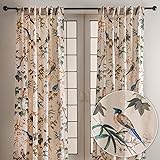
When considering the various elements that define a room’s character, window treatments hold a pivotal position. Among the myriad options available, pinch pleat drapes are consistently heralded as a superior choice, often described as an upgrade from which one simply cannot revert. This particular style of drapery is distinguished by its meticulously hand-stitched pleats at the top, creating a series of elegant folds that cascade down the fabric. This handcrafted detail contributes significantly to their luxurious appearance, setting them apart from simpler, machine-made alternatives.
The inherent structure of pinch pleats provides several aesthetic and functional advantages. The consistent, deep folds lend a rich volume to the fabric, even with relatively lightweight materials. Furthermore, these vertical lines visually elongate the walls, drawing the eye upward and thereby enhancing the perception of ceiling height within a space. This effect is particularly beneficial in rooms where a sense of spaciousness is desired. While the initial investment for pinch pleat drapes may be higher due to the specialized labor involved, the enduring elegance and sophisticated ambiance they impart are widely considered to justify the expense, making them a wise long-term investment in home design.
Transforming Ceilings with Paint: The Fifth Wall Potential
Often overlooked, the ceiling, frequently referred to as the “fifth wall,” presents an extraordinary opportunity for design expression that can profoundly influence the character of a room. The decision to paint a ceiling in a hue other than standard white, whether it matches the walls, acts as an accent, or employs a subtly lighter or darker shade, represents an adventurous yet highly rewarding approach to interior design details. This design choice, though unconventional to many, injects an unexpected layer of sophistication and personal style into a home.
A painted ceiling can achieve various atmospheric effects. Color drenching, where walls and ceiling are painted the same color, can envelop a room in a cohesive, cozy, and often dramatic ambiance, blurring the traditional boundaries of the space. Conversely, painting the ceiling a contrasting or accent color can introduce a playful element or highlight architectural features. Even painting a ceiling the same shade of white as the walls, or a slightly lighter tint, contributes to a more integrated and intentional aesthetic than a stark, unconsidered white. For homes featuring intricate ceiling details such as paneling, molding, or coffered effects, these elements can be accentuated by maintaining them in white while applying color to the surrounding ceiling plane. This bold move, while requiring a degree of courage, invariably yields a custom, designer-quality look that homeowners rarely regret, establishing a distinctive presence that is hard to forget.
Mastering Layered Lighting: Crafting Ambiance
The strategic deployment of lighting is arguably one of the most impactful yet often underestimated elements in interior design, capable of transforming the very mood and functionality of a space from day to night. Professional designers frequently articulate the importance of layered lighting, advocating for a diverse array of light sources to achieve optimal ambiance and utility. It is not uncommon for a designer’s personal residence to house upwards of 20 to 30 lamps, illustrating a profound appreciation for its transformative power.
Effective lighting schemes typically integrate three primary categories: ambient, task, and accent lighting. Ambient lighting provides general illumination, often through overhead fixtures or numerous lamps strategically placed throughout a room. Task lighting focuses on specific areas for activities such as reading or cooking, while accent lighting highlights architectural features or artwork. A critical consideration in layered lighting is the Kelvin temperature (K) of the light source, which dictates the perceived warmth or coolness of the light. For general living areas, a warm tone of approximately 2700K is favored for lamps and chandeliers, fostering a soft, inviting atmosphere. In functional spaces like kitchens and bathrooms, a slightly brighter range of 3000K-3500K is often preferred, promoting clarity and visibility without being overly stark; it is generally advised that 4000K is best reserved for utilitarian spaces such as garages. Modern approaches also include recessed spotlights designed to wash walls with light, creating intriguing bounces and reflections, or even subtle LED strips integrated into trim work. The revival of track lighting underscores a renewed appreciation for adaptable and targeted illumination. By carefully curating various light sources, a space can be modulated to suit different activities and times of day, making thoughtful lighting a truly indispensable home design detail.
Strategic Kitchen Upgrades: The Oversized Vent Hood
In the kitchen, a space often considered the heart of the home, both functionality and aesthetic appeal are paramount. Among the impactful choices available, opting for an oversized vent hood is a detail that consistently delivers on both fronts, rarely leading to homeowner regret. Beyond its primary role in ventilating cooking fumes, steam, and grease, a substantial vent hood serves as a significant architectural statement, anchoring the kitchen’s focal point.
The principle behind an oversized vent hood is one of proportion and scale. For instance, pairing a 30-inch oven with a 36-inch vent hood, or a 36-inch cooktop with a 40-inch or 42-inch hood, creates a visually balanced and authoritative presence. This is particularly crucial in kitchens with higher ceilings, such as nine-foot ceilings, where a standard-sized hood might appear diminutive and disproportionate, akin to a ‘string bean’ against a vast backdrop. A larger hood not only enhances ventilation efficiency but also provides a robust aesthetic, preventing a ‘top-heavy’ or unbalanced look. Whether encased in custom cabinetry to blend seamlessly with the kitchen’s design or presented as a standalone sculptural element in materials like stainless steel, copper, or a custom plaster finish, an oversized vent hood projects a sense of deliberate and luxurious kitchen aesthetics. Its dual benefits of enhanced utility and strong visual impact establish it as a design detail that offers both practical advantages and profound aesthetic satisfaction.
Timeless Backsplash Solutions: The Elegance of a Slab
The backsplash in a kitchen or bathroom is more than just a protective surface; it is a critical design element that can either elevate or detract from the overall aesthetic. A slab backsplash, typically crafted from a single, continuous piece of material such as natural stone, quartz, or porcelain, represents a sophisticated and enduring choice that homeowners consistently praise for its beauty and practicality. The absence of grout lines, a distinguishing feature of slab backsplashes, is a primary driver of its appeal, offering a seamless, expansive visual field that is both elegant and exceptionally easy to maintain. Unlike tiled backsplashes, which can accumulate grime in grout over time, a slab provides an uninterrupted, hygienic surface that simplifies cleaning significantly.
While a tile backsplash offers versatility in pattern and texture, it often comes with the challenge of grout maintenance and the potential for materials to become dated. A slab, by contrast, conveys a sense of timeless luxury, allowing the inherent beauty of the material—be it the veining of marble, the subtle sparkle of quartz, or the dramatic patterns of granite—to truly shine. For those seeking the slab effect with a slightly different approach, oversized tiles with minimal, thin grout lines can also achieve a similar clean and continuous appearance. This approach is particularly effective for vertical applications, where the expanse of the material creates a strong visual statement. Whether matching the countertop material for a cohesive look or introducing a complementary stone, a slab backsplash is an investment in functional design and sophisticated aesthetics that stands the test of time.
Infusing Character with Antiques: The Story in a Piece
The deliberate integration of antique pieces into a home, irrespective of its prevailing style, is a powerful strategy for imbuing a space with personality, history, and a coveted sense of uniqueness. While inherited family heirlooms are treasured, the acquisition of an antique does not necessitate a grand or expensive piece; even small objects such as a vintage vase, a decorative box, or a hand-blown glass sculpture can profoundly influence a room’s character. These objects, by their very nature, carry stories and a patina of time that cannot be replicated by mass-produced items, adding layers of depth and intrigue.
The true magic of incorporating antiques often lies in the juxtaposition of styles. For instance, placing a richly detailed antique cabinet within a contemporary, minimalist setting creates a dynamic visual tension that feels both sophisticated and unexpected. This blending of old and new elevates the perceived quality of modern, store-bought furniture, making the entire composition appear more curated and expensive. It is a testament to the enduring appeal of craftsmanship and design from previous eras. Whether selecting a delicate Murano glass chandelier to illuminate a sleek dining area or pairing an antique lamp with modern furnishings, these timeless design details contribute to a layered aesthetic that speaks of authenticity and cultivated taste, making a home feel truly lived-in and unique rather than merely decorated.
The Power of Handmade Elements: Bespoke Design for Your Home
In an increasingly standardized world, the inclusion of handmade elements and custom-crafted items in interior design offers an unparalleled opportunity for personalization and authenticity. These bespoke pieces not only contribute a unique aesthetic but also carry a narrative, often supporting local artisans and smaller businesses. The value of a handmade element stems from its ability to be tailored to exacting specifications, ensuring a perfect fit and a distinct reflection of individual taste.
Consider, for example, a custom upholstered sofa. Unlike off-the-rack alternatives, a bespoke piece can be designed to precise dimensions that perfectly complement a room’s layout, chosen in a fabric that aligns impeccably with the desired color scheme and texture. This level of customization ensures both comfort and visual harmony. Similarly, the joy of a handmade pillowcase or cover, crafted from a unique fabric, adds an instant touch of luxury and bespoke charm. For those seeking to personalize their flooring, commissioning a custom rug allows for specific sizes, patterns, and material compositions that might be impossible to find in standard offerings. Websites connecting buyers with artisans, for instance, frequently facilitate such requests, enabling homeowners to acquire a high-end, tailored piece. Whether it is a monogrammed textile, an artisanal ceramic, or a hand-blown glass piece, these handmade interior design details instill a sense of curated elegance and individual expression, transforming a house into a truly personalized home.
Ask the Experts: Avoiding Design Pitfalls
What are architectural trim details?
Architectural trim details, like oversized baseboards and crown molding, are decorative elements that add grandeur and a finished look to a room. They help define a space and show attention to quality.
What are pinch pleat drapes?
Pinch pleat drapes are a type of window treatment with hand-stitched pleats at the top, creating elegant, consistent folds. They offer a luxurious appearance and can make walls appear taller.
Why might someone paint their ceiling a color other than white?
Painting your ceiling a color other than white, often called the ‘fifth wall,’ can add sophistication and personality to a room. It can create a cozy, cohesive feel or highlight architectural features.
What is layered lighting in interior design?
Layered lighting uses different types of light sources, like ambient (general), task (for activities), and accent (for features), to create varied moods and functionality in a room. This allows you to adjust the lighting for different times and activities.