Have you ever stepped into a home and immediately felt a sense of calm and welcome, while others just feel… cold? Creating an inviting home is an art, a blend of thoughtful design choices that speak volumes without uttering a single word. As highlighted in the accompanying video, numerous subtle decorating mistakes can inadvertently render a living space less welcoming than intended.
This comprehensive guide delves deeper into those common pitfalls, offering actionable strategies and creative insights to transform your residence into a truly inviting sanctuary. Understanding these elements can significantly enhance comfort for both your cherished guests and, crucially, for yourself, ensuring every moment spent within your walls is one of genuine enjoyment and relaxation.
Cultivating Connection Through Thoughtful Furniture Arrangement
The foundation of an inviting space often begins with how furniture is positioned, particularly in communal areas like living rooms and family rooms. It is imperative that your furniture layout fosters comfortable conversation rather than hindering it. When pieces are oriented primarily towards a television or a solitary fireplace, direct interaction among occupants can become an awkward endeavor, necessitating strained neck turns or shouting across expanses.
Consider the arrangement of your primary seating. A single sofa, while comfortable for individual lounging, may not inherently encourage dialogue. Integrating complementary pieces, such as a pair of accent chairs positioned opposite the sofa, instantly crafts a more intimate conversational grouping. This configuration naturally draws people together, establishing a dynamic where faces are visible, and voices are easily heard, thus promoting engagement. Furthermore, if spatial constraints preclude larger additions, small poufs or ottomans serve as versatile, lightweight alternatives. These pieces offer flexible seating options, easily repositioned to join an ongoing discussion, demonstrating a commitment to guest comfort without overwhelming the room. The inclusion of a coffee table often acts as a central anchor, around which your seating can be comfortably clustered, reinforcing the gathering potential of the space.
For those with open-concept layouts, the strategic selection of furniture becomes even more crucial. Swivel accent chairs, for instance, represent a masterstroke in versatility. These chairs empower occupants to effortlessly engage with different zones of a multi-functional room, whether participating in a living room conversation or turning to observe activity in an adjacent kitchen. This fluid movement not only maximizes the utility of each piece but also contributes to an expansive, unconfined feeling, preventing the space from appearing rigid or cramped.
The Subtle Touches That Matter Most
Beyond the grand gestures of furniture layout, numerous smaller details collectively contribute to a home’s overall welcoming ambiance. These seemingly minor elements often make the most significant impact on how comfortable guests feel.
Inviting Powder Room Essentials
The powder room, though small, often leaves a disproportionately large impression on visitors. A key element of its inviting nature lies in ensuring cleanliness and providing thoughtful amenities. Dirty or used towels can instantly convey a sense of neglect, diminishing the overall experience. Consequently, substituting these with decorative paper napkins offers a practical and hygienic solution. These individual-use napkins not only ensure a fresh, clean experience for every guest but also add an unexpected touch of elegance and care, demonstrating a host’s attention to detail. This simple swap, as suggested in the video, elevates the guest experience, making them feel genuinely catered to and respected within your home.
The Art of the Relaxed Clean
While an organized home is undeniably appealing, there exists a delicate balance between pristine perfection and approachability. A space that appears too immaculate can inadvertently make guests feel hesitant or uncomfortable, as if any movement or touch might disturb an untouchable display. Imagine a meticulously arranged museum exhibit; admiration is certain, but a sense of ease is elusive. Therefore, cultivating a “relaxed clean” aesthetic is paramount for an inviting atmosphere.
This approach involves purposefully adding elements that signal usability and comfort. For example, a throw blanket casually draped over the arm of a sofa, rather than folded with military precision, implies an invitation to curl up and relax. Similarly, leaving a selection of board games or a captivating book on a coffee table suggests that the space is meant for engagement and enjoyment. Furthermore, a pair of well-placed shoes near the entryway can subtly communicate that guests are welcome to remove their own footwear, fostering a sense of at-home comfort. These intentional imperfections convey a message of warmth and genuine hospitality, assuring visitors that the home is not merely a showroom but a living, breathing space meant to be enjoyed without apprehension.
Coasters: Unspoken Hospitality
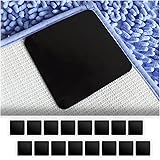
Coasters might appear as humble accessories, yet their presence carries an important unspoken message of hospitality. By placing coasters strategically on coffee tables, side tables, and even in an office, you provide a clear cue to guests that they are welcome to set down their drinks without concern for damaging surfaces. This small consideration eliminates any awkwardness or uncertainty about where to place a glass, allowing guests to relax and fully enjoy their beverage and the conversation. Moreover, coasters can be selected to complement your interior decor, integrating seamlessly into the aesthetic while serving a vital functional purpose. They are, in essence, tiny ambassadors of care and consideration, quietly contributing to the overall inviting atmosphere of your home.
Mastering First Impressions: The Entryway
The entryway functions as the overture to your home’s entire narrative; it sets the tone for everything that follows. An inviting home, consequently, often begins with a meticulously considered and welcoming entryway. When guests first step through your door, their initial impression is significantly shaped by the state of this transitional space. A cluttered entryway—laden with discarded shoes, overflowing mail, and haphazardly hung coats—can instantly create a feeling of disarray and overwhelm, suggesting that the rest of the home might share this same lack of organization. This initial visual friction impedes a warm welcome, making visitors feel less at ease.
To counteract this, prioritizing closed storage solutions becomes indispensable. Incorporating a dedicated coat closet, or even an elegant freestanding wardrobe, effectively conceals outerwear and bags, maintaining a streamlined appearance. Benches equipped with internal storage or decorative lidded baskets provide practical yet stylish receptacles for shoes, mail, and keys, keeping surfaces clear and clutter out of sight. The objective is to maximize storage opportunities, thereby creating an expansive and visually tranquil entry point. Such an organized environment not only looks inviting but also feels calming, signaling a well-maintained and welcoming household.
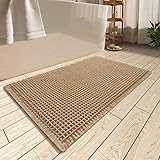
Moreover, the rug chosen for your entryway plays a surprisingly pivotal role in enhancing comfort and visual appeal. Opting for a generously sized rug, rather than a diminutive mat, allows guests to step fully onto a soft surface as they enter, immediately experiencing a tactile sense of welcome and comfort. This design choice prevents the awkwardness of having to navigate a tiny landing, instead offering a broad, grounding element that extends the invitation further into your home. As demonstrated by the DIY makeovers Kristen mentions, even budget-friendly enhancements, such as sourcing a larger rug, can yield dramatic improvements in an entryway’s inviting character. This attention to detail transforms a mere functional space into an intentional declaration of hospitality, ensuring that your home’s first impression is always a positive and lasting one.
Sensory Elements for a Warm Ambiance
An truly inviting home engages more than just sight; it stimulates the other senses, particularly smell and light, to create an immersive and comforting atmosphere. These elements work in concert to envelop visitors and occupants alike in a feeling of warmth and welcome.
The Power of Scent
The olfactory sense holds profound power over our perceptions and emotions. A home’s scent profile can either instantly welcome or subtly repel. Walking into a dwelling that smells fresh, clean, and pleasantly fragrant immediately sets a positive expectation, signaling care and attention. Conversely, unpleasant odors, whether from pets, cooking, or general staleness, can significantly detract from a home’s inviting character. Therefore, strategically employing scent diffusers or candles is a simple yet effective method for enhancing your home’s appeal.
Placing a large, readily lit candle in your entryway serves as an immediate sensory welcome, particularly when expecting guests or during evening hours. The gentle glow and pleasant aroma create an instant impression of warmth. For those who prefer alternatives to candles, room sprays or even rug powders formulated to neutralize odors and release a fresh scent can be equally effective. When selecting a fragrance, neutral and universally appealing notes are often best. For instance, scents incorporating amber are frequently recommended for their warm, inviting, and sophisticated profile, offering a rich aroma without being overpowering. This careful consideration of scent contributes significantly to making a space feel clean, fresh, and genuinely welcoming.
Illuminating Your Space with Lamp Lighting
Lighting is unequivocally one of the most transformative elements in interior design, capable of drastically altering a room’s mood and functionality. Relying exclusively on harsh overhead lighting often creates a sterile, almost institutional atmosphere, particularly in the evening. This bright, uniform illumination lacks the warmth and depth necessary for an inviting space, making it feel less cozy and more exposed.
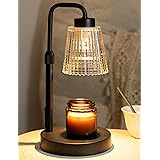
The strategic introduction of lamp lighting, conversely, is crucial for fostering ambiance. Lamps, whether table lamps or floor lamps, cast a softer, more diffused glow that creates pools of light, adding warmth, depth, and visual interest to a room. This layered lighting approach, often referred to as the “three-lamp rule” (suggesting at least three light sources in a room for balanced illumination), eliminates harsh shadows and bright spots, resulting in a more comfortable and intimate environment. Incorporating lamps into your daily routine—turning them on as daylight fades—allows for a seamless transition from day to evening, filling your home with a comforting glow that benefits both guests and residents alike. Moreover, acquiring appealing lamp lighting does not necessitate a substantial investment; as exemplified by a thrifted find from Habitat for Humanity for a mere $20, stylish and functional options are often available on a budget, requiring only a simple shade swap to achieve a designer look.
Infusing Personality and Order
An inviting home is not merely about aesthetics; it is about resonance. It reflects the lives lived within its walls, offering glimpses of personality while maintaining a sense of calm order. Balancing these two aspects is essential for creating a space that feels both unique and welcoming.
Personal Pieces with Purpose
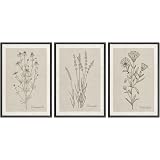
A home devoid of personal touches can feel sterile and uninspired, lacking the soul that invites genuine connection. Thoughtfully integrated personal pieces inject life and character into a space, transforming it from a mere dwelling into a cherished home. However, the key lies in tasteful integration, preventing personal items from becoming clutter. For example, instead of displaying every family photo, consider curating a small, elegant gallery wall or incorporating framed artwork on shelves alongside a few cherished family pictures. Linen-bound photo albums, like the wedding books mentioned in the video, are a brilliant example of merging sentimentality with sophisticated decor. These items provide a talking point and a tangible connection to personal history, yet their refined presentation ensures they enhance the aesthetic rather than detract from it. Such personalized elements tell a story, inviting guests to connect with the unique narrative of your home and making them feel more engaged and welcome within your space.
Decorative Boxes: Clutter’s Clever Camouflage
Even in the most organized homes, small, miscellaneous items inevitably accumulate, creating visual noise that can undermine an otherwise inviting atmosphere. Decorative boxes offer an elegant and effective solution for this pervasive challenge. These stylish containers are more than just storage; they are strategic design elements that conceal everyday clutter while simultaneously enhancing your decor. Imagine unsightly vitamins, scattered mail, remote controls, or other personal effects neatly tucked away inside an attractive box placed on a coffee table, console, or shelf. This simple act of concealment instantly tidies a space, reducing visual distraction and promoting a sense of calm order.
Available in a vast array of patterns, colors, and textures—much like those readily found at retailers such as HomeGoods—decorative boxes can be chosen to perfectly complement your existing interior design. Their versatility makes them ideal for high-traffic areas like entryways, living rooms, and even kitchens, where small items tend to gather most readily. By strategically deploying these elegant storage solutions, you achieve a cleaner, more organized look, which ultimately contributes to a profoundly more inviting home environment, ensuring that personal necessities remain discreetly out of sight.
Making Your Home Inviting: Your Questions Answered
How can I arrange furniture to make my living room more inviting for conversation?
Position your furniture to encourage direct interaction, rather than just facing a TV. Arrange a sofa with accent chairs opposite to create an intimate conversational grouping.
What are some small details that can make a powder room more welcoming for guests?
Ensure cleanliness and provide thoughtful amenities, such as decorative paper napkins instead of shared towels. This offers a fresh, hygienic experience for every guest.
What is important for making a good first impression in my home’s entryway?
Prioritize closed storage to keep the entryway clutter-free from shoes and coats. Additionally, choose a generously sized rug to offer a soft, welcoming landing for guests.
What sensory elements, like smell and light, can make my home feel more welcoming?
Use pleasant scents from diffusers or candles, especially in the entryway, to create a positive first impression. Also, incorporate table and floor lamps to cast a soft, warm glow instead of relying only on harsh overhead lighting.
How can I keep my home inviting while still showing my personality and managing small items?
Integrate personal pieces like curated photos or elegant photo albums to add character without creating clutter. Use decorative boxes to hide small, everyday items like remote controls and mail, keeping surfaces tidy.