The interior design landscape of 2026 is being shaped by a profound shift towards intentionality and enduring appeal. As explored in the video above, the focus is increasingly placed on creating homes that offer restorative qualities, express individuality, and provide a deeply personal sanctuary. The era of fleeting trends is diminishing; instead, a commitment to pieces chosen for their longevity and authentic resonance is becoming paramount. Consequently, words such as ‘timeless,’ ‘nostalgic,’ ‘sustainable,’ and ‘character-filled’ continue to guide decisions, with an added emphasis on how one’s living space genuinely supports daily life and emotional well-being.
This evolving design philosophy for 2026 interior design trends signals a collective desire for spaces that are not merely aesthetically pleasing but profoundly functional and emotionally enriching. Discerning homeowners are now seeking to invest in elements that transcend seasonal fads, opting for an approach that allows their homes to evolve organically, much like a cherished collection.
Embracing Enduring Beauty: The Core of 2026 Interior Design Trends
A significant observation in contemporary interior design is the movement away from rigid, theme-driven aesthetics. Instead, there is an appreciation for a blended approach, where various styles are harmoniously integrated to form a unique visual narrative. This allows a dwelling to authentically reflect the personalities and histories of its inhabitants. Furthermore, the selection of materials and finishes is often guided by a commitment to sustainability and ethical sourcing, aligning with a broader global consciousness.
The Tactile Revolution: Texture as an Embedded Design Element
In the realm of 2026 interior design trends, texture is not merely an afterthought; it is being intricately woven into the foundational elements of a home. This involves considering the sensory experience from the ground up, impacting how spaces are perceived both visually and physically. For instance, the deliberate integration of textured materials across floors, walls, windows, and custom joinery creates an inherent depth and richness that soft furnishings then further enhance.
The power of texture to transform a space cannot be overstated. Its tactile and visual qualities contribute significantly to a room’s overall feel. Thus, an examination of flooring choices, for example, extends beyond color to encompass the sensation underfoot. Upholstery and textiles are selected not just for their appearance but for their softness, breathability, and durability. Moreover, texture is increasingly introduced in unexpected ways, such as through raised wall finishes, luxurious fabric wallpapers, intricate plasterwork, or uniquely tiled surfaces, thereby adding layers of visual interest and sophistication.
A sophisticated material palette often involves a judicious combination of both soft and hard elements. Soft textiles, which include wool, velvet, cotton, linen, leather, silk, and cashmere, are employed to introduce warmth, comfort, and an inviting quality. Conversely, harder materials like stone, metal, glass, timber, marble, and ceramics are utilized to impart structure, gravitas, and enduring elegance. When these diverse materials are artfully combined, a home invariably feels more layered, welcoming, and profoundly dimensional.
Cultivating Authenticity: Personal and Expressive Interiors
The aspiration for homes that feel collected and genuinely personal, rather than impeccably staged, is a defining characteristic of 2026 interior design trends. Many individuals are increasingly seeking to escape the constraints of singular, defined styles—be it Hamptons, Scandinavian, or French country—in favor of an eclectic approach. This involves borrowing complementary elements from multiple design traditions and blending them in a manner that feels inherently authentic to the homeowner. This adaptive strategy allows a home to evolve fluidly over time, mirroring the life lived within its walls, rather than appearing “finished” at a single moment.
An effective pathway to personalizing one’s space commences with a thorough assessment of one’s lifestyle. It is pertinent to consider who occupies the home—whether it is an individual, a couple, a family with children and pets, or a shared household—and how the space is most frequently utilized. Activities such as entertaining, culinary pursuits, film-watching, reading, creative work, or hosting guests should inform design priorities. Subsequently, energy and budget can be strategically allocated to the areas most frequently used, thereby optimizing these spaces for desired activities.
Opportunities for introducing cherished pieces should be diligently sought throughout the home. This may encompass displaying meaningful artwork, curating collections of books, integrating family heirlooms, showcasing vintage and antique furniture or decor items, and presenting finds from travels or other collected objects. Furthermore, attention is paid to the colors, materials, and patterns that consistently resonate with the homeowner’s aesthetic sensibilities. When a dwelling truly reflects its inhabitants’ identity, their way of life, and their affections, a natural sense of comfort and enjoyment is invariably fostered.
The Enduring Appeal of Classic Interior Elements
Queries regarding the creation of timeless, elegant interiors and the identification of design elements that withstand fleeting trends are frequently encountered. Both questions underscore a fundamental desire for longevity in design, advocating for homes that feel enduring rather than being transiently influenced by short-term fashion cycles. It is for this reason that transitional and classic contemporary interiors continue to exert such strong appeal. These particular styles are characterized by a harmonious balance of old and new, which enables spaces to retain their relevance and beauty across extended periods.
The integration of classic elements in 2026 interior design trends involves several key strategies. Firstly, there is an astute investment in high-quality natural materials renowned for their graceful aging process. Materials such as fine leather, solid timber, natural stone, premium linens, and metals like bronze and copper develop a distinctive character and a beautiful patina over time, which only enhances their aesthetic value. Secondly, thoughtful detailing is being reintroduced, including decorative tassels, elegant trims, subtle fringe, sophisticated pleating, and other intricate accents that add refinement. Thirdly, wall treatments are being reconsidered for their capacity to introduce architectural interest, incorporating elements such as moldings, bespoke plaster finishes, classic paneling, decorative tiles, artful wallpapers, and elaborate ceiling details. Finally, a return to the foundational principles of good design is observed, necessitating meticulous attention to scale and proportion, the correct sizing of rugs, appropriate curtain height and length, strategic floating of furniture where feasible, and the deliberate avoidance of excessive matching in decor. These fundamental considerations ensure a cohesive and balanced aesthetic.
Illumination as Art: Lighting as Jewellery in Home Decor
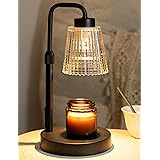
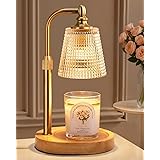
The quest to create ambiance and foster a cozy, inviting atmosphere within a home invariably leads to the subject of lighting. While the concept of layered lighting—which combines ambient, accent, task, and mood lighting—has been a recognized principle for some time, in 2026, lighting is assuming an even more pronounced decorative role. Much like fine jewellery completes a meticulously chosen outfit, light fixtures are now being regarded as statement pieces. For instance, a beautifully crafted French chandelier or sculptural pendants can serve as an anchoring focal point within a room, simultaneously adding lustre and a significant aesthetic dimension.
Several ideas are being explored to enhance lighting schemes in alignment with 2026 interior design trends. Sculptural fixtures are being favored for their ability to create an undeniable focal point, drawing the eye and establishing a design anchor. Art glass lighting, particularly pieces incorporating Murano glass, is experiencing a notable resurgence of interest, appreciated for its artistic craftsmanship and unique visual effects. Furthermore, lighting systems that adapt seamlessly to the time of day and prevailing mood are gaining prominence, facilitated by the widespread use of dimmers, strategic layered placement of fixtures, and the increasing availability of portable or rechargeable designs. Accent and task lighting, beyond their functional purpose, are also being chosen for their interesting shapes, textures, materials, and scales. Additionally, lampshades are being utilized as an opportunity to introduce carefully selected color and pattern, thereby contributing further to the overall decorative narrative of a space.
Designing with Intention: Working with What You Already Own
It is recognized that not everyone is positioned to undertake extensive home renovations, even when such transformations are part of future aspirations. However, this circumstance does not preclude the immediate enjoyment and enhancement of one’s current living environment. A deliberate approach to working with existing possessions often stimulates creativity and provides valuable insight into which pieces are truly worth investing in over time. For example, a refresh of a space can be achieved simply by reconfiguring the existing furniture layout to optimize flow and functionality. Furthermore, decluttering surfaces allows the remaining decorative pieces to stand out with greater intention and impact. A practice of “shopping your home,” which involves regrouping existing decor items into fewer, stronger vignettes, can also yield transformative results without incurring additional cost.
For those amenable to undertaking a few low-cost upgrades, numerous possibilities exist. These include refreshing wall paint to alter a room’s entire mood or repainting older furniture pieces to give them a renewed lease on life. Creating one’s own simple canvas or textured artwork can inject personal expression into a space. The introduction of living energy through plants, branches, or fresh flowers also offers a vibrant and inexpensive enhancement. Other subtle yet impactful upgrades encompass switching kitchen or bathroom hardware, updating door handles, or replacing outdated switch plate covers. Moreover, swapping conventional light globes for smart globes with adjustable brightness and color can profoundly alter a room’s ambiance.
If the budget permits for medium-level upgrades, further enhancements are attainable. Updating existing light fixtures or lampshades can significantly impact a room’s aesthetic. Switching cushion covers or throws seasonally, or investing in reversible designs, provides immediate stylistic variation. The updating of bed or bath linens, alongside the replacement of everyday items such as soaps, jars, brushes, or laundry baskets with more stylish alternatives, contributes to a more cohesive and elevated look. Decanting hand soaps or lotions into elegant vessels is another small detail that can create a notable difference in perceived luxury. These strategic upgrades, when implemented thoughtfully, contribute to a home that feels both current and reflective of one’s personal style, perfectly aligning with the spirit of 2026 interior design trends focused on timelessness and personalization.
Elevating Your Home: Your Interior Design Questions Answered
What is the main idea behind interior design trends for 2026?
The main idea is to create homes that are intentional, enduring, and deeply personal. It’s about choosing pieces for their longevity and how they support your well-being, rather than following fleeting fads.
How important is texture in 2026 interior design?
Texture is very important and is considered a foundational design element, not just an afterthought. It involves carefully combining both soft materials like wool with hard materials like stone to create depth and richness.
How can I make my home feel more personal and authentic?
You can make your home more personal by blending different design styles and displaying cherished items like artwork, family heirlooms, or travel finds. Focus on pieces that genuinely reflect your lifestyle and identity.
What role does lighting play in current interior design trends?
Lighting is becoming a more pronounced decorative element, acting like “jewellery” for your home. Beyond its function, light fixtures are chosen as statement pieces to create ambiance and act as focal points.
Can I update my home without extensive renovations or a large budget?
Yes, you can significantly enhance your home with low-cost upgrades. Simple ideas include reconfiguring furniture, decluttering, repainting, adding plants, or updating small hardware like door handles.